Education & Teaching in Canada
Canada offers 60 Education & Teaching programmes at 24 universities and colleges, covering initial teacher education, educational leadership, curriculum studies, and professional development for educators. Institutions such as the University of Toronto, Bow Valley College, Okanagan University College, and Lambton College are among those represented. Tuition ranges from roughly €6,000 to €7,000 per year, making Canada one of the more affordable destinations among English-speaking countries for teacher education at the listed institutions in this segment.
Canadian teacher education programmes are provincially regulated, meaning graduates must also apply for provincial teacher certification to practise in a classroom. International students must demonstrate English (or French, where applicable) proficiency and hold academic qualifications equivalent to Canadian secondary or post-secondary standards. Canada's Post-Graduation Work Permit (PGWP) allows eligible graduates to work in Canada for up to three years after completing a qualifying programme, and Education is a field with strong demand in many provinces.

5 Year Integrated B.A./B.Ed. Program
This integrated program is designed for high school graduates who are committed to becoming early or middle years teachers. It provides direct entry into teacher education, allowing students to begin their professional journey immediately upon entering university. The program combines a Bachelor of Arts degree with a Bachelor of Education degree, offering a comprehensive pathway to a teaching career.
Adult Education
The Bachelor of Arts in Adult Education at Brock University is designed for individuals currently working in or aspiring to work in adult learning environments. This includes roles within post-secondary institutions, as well as training and development positions in various public and private sectors like healthcare, human resources, business, community services, and industry. The program aims to enhance students' knowledge and skills as educators of adults. Students can choose between Honours and Pass degree options, and the program is offered with flexible part-time or full-time study choices. All components of the Adult Education program are delivered entirely online, meaning there is no requirement to attend campus. Please note that this program does not lead to an Ontario Certificate of Qualification for the K-12 education sector. Graduates of the Honours program may also consider pursuing further graduate studies in Adult Education.
Baccalauréat en sciences de l'éducation
This Bachelor of Education program aims to provide students with a foundational understanding of education, preparing them for advanced studies or entry into the job market. It is specifically designed for students already enrolled in a teaching program at UQTR who may not wish to pursue a career in teaching. The degree awarded is a Bachelor of Arts, and it does not grant a teaching license. Students can complete this program on a full-time or part-time basis.
Bachelor of Early Childhood Education (Honours)
The Bachelor of Early Childhood Education (Honours) at Brock University is a fully online program designed for students who have already completed a two-year Early Childhood Education (ECE) diploma or equivalent. This program allows you to build upon your existing foundation, enhancing your knowledge and skills in early care and education. Over two and a half years, you will develop a deeper understanding of the field, preparing you for diverse roles working with young children or for further academic pursuits. This program is delivered entirely online, offering flexibility for students. It is ideal for those looking to advance their careers in early childhood education or progress to graduate studies or teacher education programs. The curriculum is designed to foster meaningful engagement and contributions to the field.

Bachelor of Education
The Bachelor of Education (BEd) program at Redeemer University is designed to prepare educators for faithful, effective, and reflective professional practice, grounded in a Christian perspective. This two-year, full-time program, accredited by the Ontario College of Teachers, emphasizes practical experience and theoretical knowledge within a supportive, cohort-based community. Graduates will possess a strong professional network and be well-prepared for careers in education.
Bachelor of Education (B.Ed.) in Indigenous Adult Education
The Bachelor of Education in Indigenous Adult Education program at Brock University is designed for individuals interested in education and training within Indigenous post-secondary institutions, community colleges, and Indigenous educational institutes. It addresses the growing need for qualified educators, trainers, administrators, and counsellors who are culturally grounded and spiritually strong to effectively support Indigenous adult learners. This program is open to all students, both Indigenous and allies, who are committed to transforming adult education through authentic Indigenous knowledge and culturally responsive teaching methods. It aims to empower learners and uplift communities by integrating traditional beliefs, spirituality, and ceremony into the learning experience. The curriculum focuses on preparing professionals to meet the evolving educational landscape and the responsibilities associated with Indigenous self-government. Offered primarily online with asynchronous learning and three synchronous classes per course, the program provides flexibility while maintaining a strong cultural and academic foundation. Graduates will be equipped to work in various educational settings, contributing to lasting change for future generations.

Bachelor of Education (Elementary/Secondary)
The Bachelor of Education (B.Ed.) program at Mount Saint Vincent University equips you with the skills, knowledge, and professional dispositions necessary for a career in education. You will explore diverse teaching and learning methods, emphasizing reflective practice and professionalism to prepare you for various educational settings. The program offers two specialization options: Elementary, focusing on young learners and core curriculum in subjects like math, language arts, and science; and Secondary, which delves into contemporary culture and critical thinking within two chosen disciplines such as social studies, English, mathematics, science, or French. Both program options are designed to foster your development as a scholar and a highly qualified professional with leadership potential. The curriculum is structured over two years, requiring 10 units of study. Graduates are eligible for certification by the Nova Scotia Department of Education, and this certification is recognized across Canada, though some jurisdictions may require additional coursework. The program also includes extensive practicum experiences, offering up to 24 weeks in classroom settings to apply theoretical knowledge practically.
Bachelor of Education (Secondary)
Bachelor of Education After-Degree
The Bachelor of Education After-Degree program at Brandon University is designed for individuals who have already completed an undergraduate degree and wish to pursue a career in teaching. This two-year program prepares students for full teaching certification. You can choose to specialize in one of three streams: Early Years (Kindergarten to Grade 4), Middle Years (Grades 5 to 8), or Senior Years (Grades 9 to 12).
Bachelor of Education Programs
Brandon University offers several Bachelor of Education (B.Ed.) programs designed to prepare students for careers in teaching. These programs cater to various needs, from high school graduates seeking an immediate path to teaching, to those who have already completed a degree and wish to pursue a teaching career, and even to practicing Indigenous educators or those with technical vocational diplomas.
Bachelor of Science
Université TÉLUQ offers a Bachelor of Science (Baccalauréat ès sciences) program designed for students interested in science and technology. The program is delivered entirely online, providing flexibility for students to study from anywhere. TÉLUQ is part of the Université du Québec network and focuses on distance education. The university provides a range of student services, including technical support, a library, and academic advising, to support students throughout their studies.

BEd Education

Computer Science and Mathematics
This program offers a comprehensive education in the fields of Computer Science and Mathematics, providing students with a strong foundation in both theoretical concepts and practical applications. The curriculum is designed to equip graduates with the analytical, problem-solving, and technical skills necessary to excel in a wide range of technology-driven industries. Students will explore core areas of computer science, including programming, algorithms, data structures, and software development, alongside essential mathematical principles such as calculus, linear algebra, and discrete mathematics. This interdisciplinary approach fosters a deep understanding of computational thinking and its relevance across various scientific and engineering disciplines. The program emphasizes hands-on learning through projects and laboratory work, preparing students for further academic pursuits or direct entry into the workforce. Graduates will be well-prepared for careers in software engineering, data analysis, research, and other roles requiring a blend of computational and mathematical expertise.

Concentration in Education
Concurrent Bachelor of Music and Bachelor of Education
Continuing Education Programs
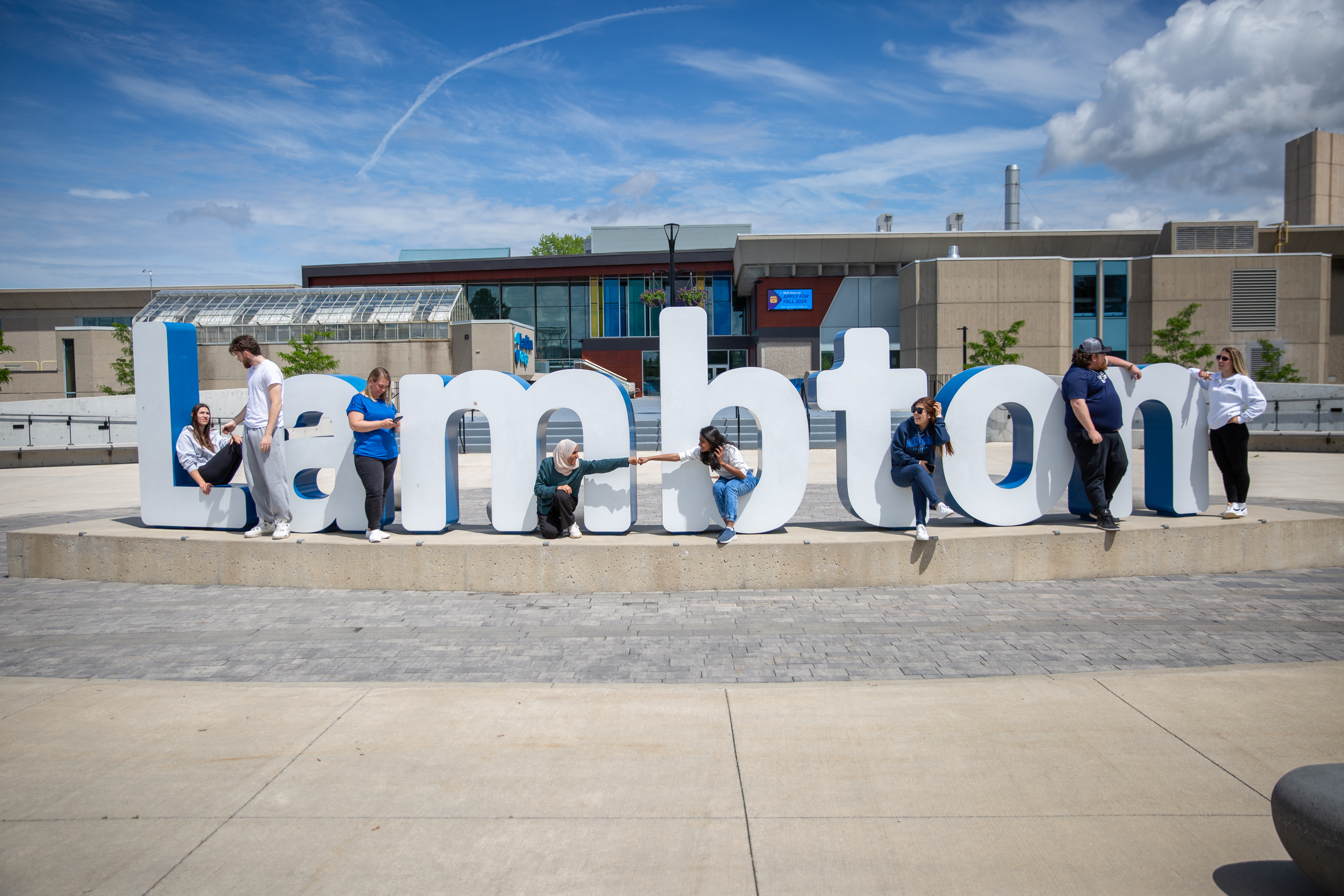
Lambton College offers flexible continuing education options, allowing students to pursue full-time online programs, part-time programs, or individual courses at their own pace and from any location. This flexible approach is designed to accommodate busy schedules, enabling individuals to upskill or complete certificates and diplomas alongside other commitments.

Continuing Education Programs at College of New Caledonia
The College of New Caledonia (CNC) offers a variety of continuing education programs and short courses designed to help individuals upskill, reskill, and prepare for the current and future workforce. These programs can enhance your existing knowledge or help you transition into new fields. CNC also offers funded training opportunities in several areas, often supported by ministry grants and community partnerships, to make education more accessible. Additionally, the college provides custom training packages for employers and industry partners in Northern BC.

Distance Education Courses
Okanagan University College offers Distance Education courses that allow you to study from any location. These courses are computer-based and asynchronous, meaning you don't need to be online at specific times. Tutor support is provided. Exams are supervised on-campus during set dates and times. This flexible study format enables you to balance your education with other life priorities while meeting course deadlines.
Distance Learning Programs at Université TÉLUQ
Université TÉLUQ is a leading institution specializing in distance learning, offering a comprehensive range of courses and programs from undergraduate to doctoral levels. As the only French-speaking university in North America to provide all its offerings entirely online, TÉLUQ attracts over 27,000 students annually. The university focuses on research in key areas such as education sciences, administration, management, communication, and information technology. TÉLUQ is a member of the Université du Québec network and provides flexible, personalized learning experiences accessible from anywhere in the world, with continuous admission and dedicated student support.

Early Childhood Education – Special Needs Educator Diploma
This diploma program prepares you to support children with special needs in early childhood settings. It builds upon an Early Childhood Education certificate or equivalent, adding specialized courses focused on inclusive practices and individualised support. The program is designed for flexibility, offered entirely online and on a part-time basis, allowing you to continue working while studying. Graduates will be equipped with the compassion, patience, and adaptability required to advocate for and nurture children with diverse learning styles and abilities.

Early Childhood Education (Diploma)
The Diploma in Early Childhood Education (ECE) prepares you to work with young children and apply for provincial licenses as an early childhood educator and a special needs educator. This program combines coursework with practical experience, including a practicum in an ECE setting where you'll work with children aged newborn to eight years old. You will learn about child development, curriculum planning, managing child-care settings, and promoting health and nutrition. An innovative aspect of this program is the 'Children Teaching Teachers' method, offering a unique experiential learning opportunity. Graduates can pursue further studies with a post-diploma certificate in ECE: Infant/Toddler to gain an additional license. The ECE diploma program is also recognized for potential transfer credits to other post-secondary institutions in British Columbia. With a strong job outlook, early childhood education is a growing field. Surveys indicate a high rate of employment for graduates. If you don't meet the direct English proficiency requirements, Douglas College offers English Upgrading courses that can serve as a pathway to ECE programs.
Early Childhood Education and Care – Inclusive Education Diploma
The Early Childhood Education and Care (ECEC) Diploma in Inclusive Education program at Northern Lights College prepares you to work with children from birth to 12 years old and their families. You will gain the skills to create safe, inclusive, and engaging environments that respond to the diverse needs and interests of all children. The program emphasizes reflective and collaborative practices to foster children's development and understanding of the world. NLC offers flexible delivery methods, including online, on-campus, and Work Integrated Learning (WIL), allowing you to study from your home community. This program can prepare you to apply for BC Early Childhood Educator Registry certification, including Assistant, General, and Special Needs post-basic certifications.
Education (BEd)
The Bachelor of Education (BEd) program at Trinity Western University prepares you for an impactful career as a teacher. This program focuses on nurturing students' academic, social, and emotional growth, equipping you with the skills needed to guide young learners. You will learn to help children and young people find meaning and purpose in a supportive learning community, fostering their development into lifelong learners who respond compassionately to the world.

Education Assistant
The Education Assistant program at Bow Valley College is designed to equip you with the essential skills and knowledge needed to provide crucial support to children and teens with diverse learning needs within a classroom environment. This program focuses on practical training to help you make a significant difference in student development and learning outcomes. It is delivered using a Competency-Based Education (CBE) model, allowing you to advance at your own pace by demonstrating mastery of skills relevant to the profession.
Education Assistant Certificate
This certificate program prepares you to work as an Education Assistant (EA) in school settings, supporting teachers and contributing to student development. You will learn about school organization, child development, educational issues, and gain practical experience through a practicum. The program aims to equip you with the skills to assist children who may benefit from extra support in meeting their educational goals, fostering their learning and independence within an educational team.
Education Assistant Certificate
The Education Assistant Certificate at Trinity Western University (TWU) is designed to prepare you for a rewarding career supporting K-12 students with diverse learning needs in inclusive educational settings. This program combines theoretical knowledge with practical, supervised experience in schools. It emphasizes respecting and valuing each learner, recognizing their unique abilities and right to learn. The curriculum is taught from an integrated worldview that sees children with disabilities or diverse abilities as valuable individuals created with dignity. The certificate is available in flexible formats, including full-time in-person and online options, catering to both new entrants and those already working in education.
Education Assistant Certificate
This certificate program prepares you to work as an Education Assistant, supporting students with diverse needs in school settings. You will gain a balanced mix of theoretical knowledge and practical experience, focusing on effective strategies for supporting children and youth with special needs. The program aims to equip you with the skills to become a competent and employable paraprofessional, ready to excel in inclusive classrooms and collaborate with teachers and support teams.
Educational Ministry Studies (PhD)
This PhD in Educational Ministry Studies is designed for experienced leaders in educational, ministry, mission, and nonprofit sectors. It integrates theology, leadership, and social sciences to equip scholars and practitioners to tackle real-world challenges through research. The program fosters a collaborative learning community for individuals from diverse backgrounds, focusing on spiritual and intellectual growth. Graduates will be prepared to lead with insight and integrity in higher education, Christian organizations, or global missions.
Educational Studies–Inclusive Education (MA)
Trinity Western University's Master of Educational Studies in Inclusive Education (MAES-IE) program is designed for educators seeking to enhance their ability to support students with diverse learning needs. As classrooms become more varied, this program equips you with the knowledge and skills to create inclusive environments that cater to cognitive, social, and sensory uniqueness, including challenges related to learning disabilities, emotional and behavioral disorders, giftedness, and developmental delays. Graduates are prepared to be leaders in inclusive education, eligible for specialist administrator roles and salary increases.
External Resources and Services
The Learning Disabilities Association of Ontario (LDAO) provides information on various external resources and services related to learning disabilities and ADHD. The LDAO does not endorse specific programs or facilities but aims to inform the public about available options. They encourage recommendations for exceptional organizations to be included on their resource list. This page details information on human rights, accessibility legislation in Ontario, and lists accessibility services offered by various colleges.
General Studies (Diploma)
The Diploma in General Studies is designed for students who are exploring their academic interests. This program allows you to take a variety of courses across different faculties, including humanities, sciences, performing arts, and business. The credits earned can be transferred to other programs at Douglas College or to universities, provided you choose your courses carefully and consult the BC Transfer Guide for transferability information. The program emphasizes the development of critical thinking, writing, research, and presentation skills through lectures, discussions, and presentations, which are essential for academic and professional success.
Graduate Certificate in Decolonizing Education Systems
This graduate certificate program challenges the colonial foundations within education systems. It offers an opportunity to explore what decolonizing yourself, your systems, and your relationships means in learning environments. You will learn how to take meaningful action to support reconciliation and systemic change. Designed for educators, leaders, and learners ready to critically examine colonial structures in education, this program supports those working in K-12, higher education, and professional learning settings. Through online delivery, you will engage in readings, discussions, reflective assignments, and experiential learning to move from understanding to action, helping to shape more inclusive and relational learning systems.
Graduate Certificate in Systems Leadership in Higher Education
This graduate certificate program is designed for current and aspiring administrators in higher education who want to develop their leadership skills in policy, governance, and strategic planning. You will gain the ability to shape the future of colleges and universities by understanding national and international perspectives on higher education systems and how policies influence them. The program focuses on real organizational and social challenges, equipping you with the skills to make meaningful contributions at the administrative level.
Graduate Diploma in Higher Education Administration and Leadership
This fully online Graduate Diploma program is designed for current and aspiring administrators and leaders in post-secondary educational institutions. You will gain the skills to navigate and solve complex challenges facing universities and colleges today, including finance, marketing, and change management. The program focuses on understanding research concepts in higher education and applying them to develop practical, action-oriented strategies for effective leadership and administration.

Indigenous Early Childhood Education
The Indigenous Early Childhood Education (IECE) program at NVIT is designed to prepare students to provide high-quality care and education for young children. It emphasizes the integration of Indigenous knowledge, cultural practices, and community-based approaches within contemporary child development principles and provincial licensing standards. The program aims to foster culturally grounded and responsive early learning environments, supporting children's identity development through Indigenous ways of knowing and being. Students will explore the evolving roles of children, families, and educators within both Indigenous traditions and British Columbia’s licensed childcare framework.
Indigenous Educational Studies
Brock University's Indigenous Educational Studies programs offer various pathways for students interested in working within Indigenous communities or in Indigenous educational settings. The curriculum is designed to incorporate Indigenous learning styles and celebrate cultural diversity. The programs utilize a community-based model, with qualified local Indigenous educators guiding students through their studies. Selected courses are also available on campus. This program is housed within the Faculty of Education and includes options such as a Bachelor of Education in Indigenous Adult Education, a Certificate in Aboriginal Adult Education, a Bachelor of Education Primary/Junior (Aboriginal), a Minor in Indigenous Studies, and the Gidayaamin Indigenous Certificate Program.

Indigenous Studies
The Indigenous Studies program at First Nations University of Canada offers a comprehensive academic exploration of Indigenous peoples. It delves into their rich cultures, histories, and contemporary experiences, with a primary focus on Saskatchewan, then Canada, North America, and the global context. This program complements traditional Indigenous teachings and provides a strong foundation for further academic pursuits or careers. Students can choose from a Diploma, a Bachelor of Arts (BA), or a Bachelor of Arts Honours in Indigenous Studies. A Minor in Indigenous Studies is also available. The program is designed to prepare graduates for diverse career opportunities and to be eligible for second-degree programs in fields like Law, Administration, Education, Fine Arts, Science, and Social Work.
Lambton College Programs
Lambton College offers a wide array of programs designed to meet diverse academic and career aspirations. Students can choose from various areas of study, including Business, Health Care, Technology & Trades, and more. The college provides a learning environment with different delivery types, such as In-Class and Online options, catering to flexible learning preferences. Programs are offered with different credential types, including Credit, Non-Credit, and Micro-Credentials, allowing students to tailor their educational path.
MA in Language & Literacies Education
The MA in Language & Literacies Education is a research-based program designed for individuals interested in exploring the complex relationships between language, literacies, and education across various contexts. You will delve into curriculum, instruction, learning, and policies related to Indigenous, official, international/heritage, and sign languages, as well as first and additional language acquisition. This program provides a deep understanding of literacy practices in diverse communities and instructional settings. It encourages critical inquiry into how language and literacies are taught, learned, and enacted within educational systems and informal learning environments.
MA in Social Justice Education
This research-based Master of Arts program is designed for students seeking to critically examine theoretical and empirical issues related to equity in education. You will develop a deep understanding of the social, historical, cultural, political, economic, and ethical contexts that shape education systems. The program aims to enhance your skills in both qualitative and quantitative research methods. Upon completion, graduates are prepared for a variety of career paths, including roles in equity and race relations, community development, policy analysis, and education administration. The program offers both full-time and part-time study options to accommodate different student needs.
Maîtrise en éducation
Master of Arts in Child Study & Education
The Master of Arts in Child Study and Education (MA-CSE) program is designed for individuals passionate about child-centered, research-informed teaching. This program prepares you to become an exemplary educator, focusing on the well-being and learning of every child from Junior Kindergarten to Grade 6. You will learn to apply research and theory in child study to meet the needs of diverse learners in equitable and compassionate ways, always considering the 'why' behind educational practices. The program emphasizes fostering a 'community of care' where children feel safe to explore their curiosities and develop a love for learning. Learning is achieved through a blend of coursework, extensive practice teaching, in-depth study of children, and observation of effective teaching models. You will gain a deep understanding of child development theories, acquire a range of effective teaching strategies, and develop your professional identity as an educator. No prior background in psychology or research is required to apply.
Master of Arts in Education
Master of Arts in Educational Leadership (MAEL)
Trinity Western University's MA in Educational Leadership (MAEL) program is designed to equip professionals with the advanced skills needed to navigate the complexities of the modern education sector. This program focuses on a leadership model that prioritizes people and teamwork, enabling graduates to make a significant impact on learners and fellow educators. The MAEL is recognized by the BC Ministry of Advanced Education and the TQS for salary upgrades, though completion does not confer a BC teaching certificate. The program offers a dynamic format anchored in servant leadership principles. It can be completed in 17 months of full-time study or 2.5 years part-time, with options for a mixed-model delivery or fully online study. In addition to the MA, TWU also offers a Graduate Certificate in Educational Leadership.
Master of Arts in Higher Education Administration and Leadership
This Master of Arts program is designed for individuals currently working in or aspiring to leadership roles within post-secondary institutions. It focuses on developing a deep understanding of the theories, research, and contemporary issues facing higher education. Through a blended learning approach, you will gain the knowledge and skills necessary to effectively lead and manage change in universities and colleges, preparing you for senior administrative positions.
Master of Arts in Language & Literacies Education
The Master of Arts in Language & Literacies Education (MA LLE) program explores the intricate connections between languages, literacies, and their roles within communities, societies, educational settings, and informal learning environments. The program addresses contemporary issues in applied linguistics and literacies, including the learning and teaching of various languages (Indigenous, official, international, heritage, sign languages), curriculum development for first and additional language acquisition, and the cultivation of bilingual and multilingual abilities. Students will delve into language and literacy policies, multiliteracies pedagogy, early literacy and adolescent reading/writing development, children's literature across the curriculum, and the social justice implications of linguistic diversity and plurilingualism. The MA LLE program requires the completion of eight half-courses and a thesis. Additional coursework may be assigned based on an applicant's prior academic background and experience.
Master of Arts in Social Justice Education
The Master of Arts in Social Justice Education is a research-based program focused on critical understandings of the social, historical, cultural, political, economic, and ethical contexts of education. It is designed for individuals interested in research and academic careers. The program encourages students to apply their disciplinary backgrounds and critical thinking skills to examine issues of equity in education, drawing from various fields like history, philosophy, sociology, and political science. Students from diverse backgrounds are welcome, and the program aims to expose them to both qualitative and quantitative research methodologies. A thesis is a required component of this program.
Master of Education
Brandon University offers a Master of Education (M.Ed.) degree with multiple pathways and areas of specialization. Students can choose between a course-based route, requiring 36 credit hours of coursework, or a thesis-based route, which involves 27 credit hours of coursework and a 9 credit hour thesis. The thesis route can be pursued after completing 15 credit hours, including two core courses, and obtaining departmental approval. Students can specialize in Inclusive Education, Guidance and Counselling, Educational Administration, or Curriculum and Pedagogy. Note that the Guidance and Counselling specialization is not currently open to international applicants, and the Curriculum and Pedagogy specialization for the 2026-27 academic year is exclusively for a community-based cohort. The program requires completion of all degree requirements within six years of the initial graduate course registration.
Master of Education

Master of Education
The Master of Education (MEd) program at St. Francis Xavier University is designed to deepen your understanding of your professional knowledge and connect it with the conceptual and theoretical frameworks of educational research. This graduate program offers specializations in Administration & Policy and Curriculum & Instruction. You can choose to complete your MEd through a course-based, project, or thesis route. The degree also meets the requirements for an advanced teacher certification level in Nova Scotia.
Master of Visual Studies
The Master of Visual Studies (MVS) program at the University of Toronto offers advanced study in visual culture, art history, and curatorial practices. This program is designed for students who have a strong undergraduate background in visual arts, humanities, or cultural theory and wish to deepen their knowledge and creative practice. The MVS program fosters critical inquiry and research skills, preparing students for careers in academia, art institutions, or independent curatorial work.

Mathematics and Statistics
The Mathematics and Statistics program at Acadia University offers a comprehensive curriculum designed to equip students with strong analytical, quantitative, and problem-solving skills. You can choose to pursue either a Bachelor of Science (BSc) or a Bachelor of Arts (BA) and customize your degree with minors or a second major in fields like Computer Science, Business, or Biology. The program emphasizes small class sizes, close interaction with faculty, and hands-on learning experiences, preparing graduates for diverse careers in data science, finance, education, and more. Specialized options include an Actuarial Program, which is accredited by the Society of Actuaries and provides support for actuarial exams, and integrated BSc/BEd programs for those interested in teaching. Students interested in data science can combine statistics with courses in computer science, business, or economics. The program encourages active participation through the student-run Math Society, a Math Mentor Program for first-year students, study groups, and regional conferences.
Minor in Education

Mount Royal University Continuing Education
Mount Royal University's Continuing Education offers a range of professional development programs and courses designed for working professionals. These programs provide focused, accelerated learning to help you quickly build practical, career-ready skills. With flexible delivery options, you can gain momentum and advance your career on your schedule. Whether you're looking for a career change, aiming to develop new skills, or seeking to advance in your current field, Continuing Education can support your goals.
PENT Program
The PENT (Paraprofessional Educator Neighbourhood Training) program is designed for individuals working as educational paraprofessionals. Admission to this program requires prior admission to Brandon University under regular, mature, or transfer categories. Additionally, applicants must have a recommendation from a school principal, Director of Education, or superintendent, secure financial sponsorship, and pass Criminal Records and Child Abuse Registry Checks.
Research Master of Arts
The Research Master of Arts degree is designed for students who wish to conduct in-depth scholarly research in education under the guidance of a faculty supervisor. This program allows for specialized study within various graduate program areas offered by the Faculty of Education, with a strong emphasis on research. A minimum of 5.0 units is required for the degree, which includes coursework and a thesis. The thesis component can range from 1.0 to 5.0 units, depending on the student's background and research focus.
Specialized Education - Cégep de Saint-Jérôme
The Specialized Education program at Cégep de Saint-Jérôme is designed to provide students with specialized skills and knowledge. The program aims to prepare graduates for specific roles within the field, focusing on practical application and in-depth understanding. It offers a pathway to employment in specialized sectors. This program is suitable for individuals who are passionate about making a difference and wish to develop expertise in a particular area. The curriculum is structured to ensure students gain both theoretical knowledge and hands-on experience, equipping them for the demands of the modern workforce. Cégep de Saint-Jérôme is committed to providing a supportive learning environment.
Teacher Education – Consecutive Education (2nd Degree) Bachelor of Education (BEd)
The Consecutive Teacher Education program at Brock University is a full-time, 16-month Bachelor of Education (BEd) degree designed for individuals who already hold an undergraduate degree. Upon successful completion, you will typically be recommended to the Ontario College of Teachers for membership and receive your Ontario Certificate of Qualification, enabling you to teach in Ontario schools. This program is offered across two campuses: St. Catharines and Burlington. It is structured around a unique Triple-C Model (Cohort, Community, and Coursework) that effectively integrates theory with practical teaching experience. The program prepares you to teach in various divisions, including Primary/Junior (K-6), Junior/Intermediate (4-10), and Intermediate/Senior (7-12). Please note there will be no Junior/Intermediate intake for the 2026/27 academic year.

Western Certificate in University Teaching and Learning (WCUTL)
The Western Certificate in University Teaching and Learning (WCUTL) is designed to enhance the teaching skills of graduate students and postdoctoral scholars, preparing them for academic or professional careers. By completing the program, participants gain valuable presentation and facilitation skills that are highly regarded in various fields. Upon successful completion, students receive a certificate and a letter of accomplishment.
Women's and Gender Studies
The Women's and Gender Studies (WGST) program at Acadia University invites students to critically examine how gender and sexuality shape global societies and individual experiences. You will explore diverse topics such as social justice, culture, education, literature, psychology, history, science, and politics through a feminist lens. The program encourages questioning assumptions and developing innovative approaches to societal challenges, offering a robust interdisciplinary curriculum to foster a deep understanding of gender's impact. Students can choose from various program options including a Major, Double Major, Major with Honours, Double Major with Honours, or a Minor. The curriculum is rich with over 60 interdisciplinary courses, covering unique areas like Black Women and Politics, Environmental Justice and Equity, and Women in Science. The program emphasizes hands-on learning, research opportunities, and offers a co-op option, preparing graduates for impactful careers.
Frequently asked questions
How much does Education & Teaching study in Canada cost?
+
Tuition ranges from roughly €6,000 to €7,000 per year across the programmes in this listing, making Canada comparatively affordable among English-speaking study destinations for teacher education.
Which universities offer Education & Teaching in Canada?
+
Among the 24 institutions listed are the University of Toronto, Bow Valley College, Okanagan University College, Lambton College, College of the Rockies, and Cégep de Saint-Jérôme.
Can international students apply for Education programmes in Canada?
+
Yes. Canada welcomes international students for teacher education programmes. A study permit is required, and applicants should also check provincial teacher certification requirements if they intend to practise in Canada.
What are the typical entry requirements?
+
Requirements vary, but generally include a secondary or post-secondary qualification at the appropriate level, proof of English (or French) proficiency, and sometimes relevant experience working with children or in educational settings.
How do I apply for Education & Teaching study in Canada?
+
Applications are submitted directly to each institution's admissions office, as Canada does not have a single national application portal. Start the process at least 9–12 months before your intended intake to allow time for a study permit application.