Education & Teaching in Australia
Australia offers 64 Education & Teaching programmes at 20 universities, spanning initial teacher education, higher education pedagogy, and specialist degrees in areas such as early childhood, TESOL, and educational leadership. Institutions such as the University of Wollongong, Australian Catholic University, La Trobe University, and Curtin University are among the universities represented. Tuition ranges from free (for some scholarship-supported enrolments) to approximately €18,000 per year, with variation depending on the level and specialisation of the programme.
Australian teacher education degrees are governed by the Australian Institute for Teaching and School Leadership (AITSL) accreditation standards, ensuring graduates can seek teacher registration nationally. Most Initial Teacher Education (ITE) programmes require a supervised practical placement component. International students must demonstrate English proficiency (typically IELTS 7.5 for education programmes, higher than many other disciplines) and apply through each university's international admissions office. Australia's student visa (subclass 500) permits part-time work during study.
Associate Degree in Adult and Vocational Education
This Associate Degree in Adult and Vocational Education is designed for individuals who are current or aspiring teachers, workplace trainers, or facilitators in adult and vocational settings. It's particularly suitable if you have existing technical or vocational qualifications and experience, and wish to transition into teaching or enhance your current role. The degree acknowledges prior learning and experience, potentially granting up to one year of credit, allowing you to build upon your existing knowledge and skills. This program is delivered entirely online, offering flexibility for students to study from anywhere while managing personal and professional commitments.

Associate Degree of Teacher Education
This Associate Degree of Teacher Education is designed as a pathway into further studies in education and teaching. It provides a strong foundation in contemporary educational practices and develops essential skills in critical thinking, academic reading, and writing. Students who perform well in the common first-year subjects have the opportunity to apply for transfer into an undergraduate teaching degree for their second year. Alternatively, graduates can use this qualification to gain expertise in educational studies or progress into a Graduate Entry Teaching program.
Bachelor of Adult and Vocational Education
This Bachelor of Adult and Vocational Education is designed for individuals looking to become teachers or workplace trainers in adult learning environments. It recognizes the value of your existing vocational qualifications and professional experience, potentially granting a full year of credit. The program is structured to meet professional development requirements for vocational trainers and educators, and is an approved qualification for certain Victorian TAFE teaching agreements. You can tailor your studies through various specializations or electives to align with your career goals.

Bachelor of Arts/Master of Teaching (Secondary)
This combined degree allows you to earn both a Bachelor of Arts and a Master of Teaching (Secondary) in just four years. It's designed for individuals passionate about the arts who also aspire to teach secondary school students. You will gain expertise in your chosen arts discipline(s) and develop the pedagogical skills necessary for a successful teaching career. The program emphasizes practical learning through Deakin's Professional Experience Program, where you'll undertake extensive placements in schools across Australia. Deakin is unique in embedding the Berry Street Education Model into all its teaching degrees, equipping you with trauma-informed strategies for effective classroom management and student support. You can also enhance your degree with international experiences, study tours, or exchange programs.

Bachelor of Early Childhood
This program prepares you for a rewarding career supporting and educating young children (birth to five years old) and their families in various early learning settings. You will gain essential knowledge, skills, and values for best practice in early childhood education. The degree includes 80 days of professional experience placements in diverse settings, with a requirement for international and domestic students to complete the majority of these within Australia. Completing this Bachelor of Early Childhood also provides a pathway to further study, potentially allowing entry into the Bachelor of Education (Early Childhood) for teacher registration. Flexible study options are available, including online, on-campus, or a hybrid approach, with the ability to study full-time or at your own pace. Recognition of prior learning may be available for those with existing TAFE or other recognized early childhood qualifications.
Bachelor of Early Childhood Education
This Bachelor of Early Childhood Education program is designed for individuals who are already working in early childhood education and wish to upgrade their qualifications. It offers a flexible online learning experience to accommodate work and personal commitments. The degree includes supervised work-based learning placements, which can sometimes be completed at your current place of employment if it meets supervision requirements. Upon graduation, you will be prepared for advanced roles in learning centers, kindergartens, preschools, and early intervention programs. The course awards an AQF Level 7 Bachelor Degree. It provides 180 credit points of advanced standing for those holding a Diploma of Early Childhood Education and Care or equivalent, plus relevant work experience. An additional 300 credit points are required to complete the Bachelor's qualification.
Bachelor of Education - The Early Years
Bachelor of Education - The Early Years (Accelerated Pathway Program)
This accelerated online program is designed for early childhood educators who hold a diploma and wish to advance their careers by earning a bachelor's degree in just two years. Developed in partnership with industry leaders, the course builds upon your existing experience with integrated work-based placements and flexible online delivery. This structure allows you to continue working and earning income while you study. You will receive ongoing support through a sector mentor and university services.
Bachelor of Education - The Early Years (Honours)
Bachelor of Education (Early Childhood)
Launch your teaching career with this industry-accredited Bachelor of Education (Early Childhood). This degree prepares you to become a qualified educator for children in settings such as childcare centres, kindergartens, and the first three years of primary school (Prep-Year 3). You will gain specialised knowledge and practical skills through 90 days of supervised professional placements in diverse early childhood and school environments. The program offers opportunities to connect with current educators and industry professionals, bridging the gap between theoretical learning and practical application. If you have prior early childhood qualifications, you may be eligible for recognition of prior learning to potentially shorten your study duration.

Bachelor of Education (K-6 Teaching)
The Bachelor of Education (K-6 Teaching) at the University of New England (UNE) prepares you to become a skilled and adaptable teacher for primary school children from Kindergarten to Year 6. This initial teacher education program focuses on developing your ability to create supportive and responsive learning environments. You will gain both theoretical knowledge and practical experience, equipping you to meet the demands of a rapidly evolving educational landscape. UNE is recognised for its strong online learning environment and student support, making it a preferred choice for many aspiring teachers.

Bachelor of Education (Primary and Special Education)
The Bachelor of Education (Primary and Special Education) at Australian Catholic University prepares you to become a primary school teacher with a specialised focus on special education. This program equips you with the skills to support the development of children with disabilities or learning and behavioural difficulties, as well as to manage diverse social, cultural, and developmental needs within the classroom. You will gain practical experience through extensive professional placements, ensuring you are well-prepared for a rewarding career in education. The course is designed to meet the accreditation requirements for teachers in Australia, making you eligible for registration across all states and territories.

Bachelor of Education (Primary)
Bachelor of Education (Primary)
The Bachelor of Education (Primary) at the University of Southern Queensland (UniSQ) is designed to prepare you to teach primary school students from Prep to Year 6. This accredited degree provides you with the knowledge and skills needed to educate young learners in various contexts and across all learning areas. You will gain expertise in subject matter and develop essential transferable skills such as communication, collaboration, and adaptability. The program emphasizes practical experience through supervised placements in P-6 classrooms, offering opportunities in diverse settings including rural, remote, and potentially international environments. You can choose to study on-campus, online, or a hybrid of both, with flexible study options to fit your life.
Bachelor of Education (Secondary and Special Education)
The Bachelor of Education (Secondary and Special Education) at Australian Catholic University prepares you to become a highly sought-after secondary school teacher with expertise in supporting students with disabilities and learning difficulties. Ranked highly globally in education, this program provides a supportive and collaborative learning environment, drawing on world-leading expertise. You will develop essential knowledge and practical skills in both secondary education and special education, enabling you to register to teach in a wide range of settings. The course includes extensive professional experience placements, building your teaching capabilities from observation to independent classroom management.
Bachelor of Education (Secondary)
Embark on a rewarding career as a secondary school teacher with the University of Southern Queensland's (UniSQ) Bachelor of Education (Secondary). This accredited degree is designed to prepare you to teach students from Year 7 to 12, equipping you with the necessary skills for diverse learning environments. You will gain expertise in two or more subject areas from a wide selection of over 20 teaching specialisations, which are aligned with current curriculum requirements. The program includes a significant professional experience component, requiring 80 days of practical teaching in various school settings, including rural, remote, state, independent, Catholic, faith-based, alternative, special, and inclusive educational environments. This qualification is professionally accredited by the Queensland College of Teachers (QCT) and meets the standards set by the Australian Institute for Teaching and School Leadership (AITSL). Upon graduation, you will be eligible to apply for teacher registration with the QCT, allowing you to teach in Queensland, across Australia, and potentially overseas, subject to local regulations. The university also highlights a specific pathway for individuals with trade qualifications interested in teaching Industrial Technology and Design through the Queensland Government's Trade to Teach Internship Program.

Bachelor of Education Secondary
The Bachelor of Education Secondary is designed to prepare you for a career as a secondary school teacher, eligible to work in middle, secondary, and senior colleges. The program combines subject-specific curriculum and teaching methods with general education studies and essential professional experience. Upon graduation, you will be qualified to register as a teacher anywhere in Australia. The curriculum is aligned with the Australian National Curriculum and aims to equip you with the skills and knowledge needed to teach students in Years 7-12, addressing the national and local demand for dedicated educators. You will explore topics such as school curriculum design, contemporary educational issues including inclusivity, child and adolescent development, behaviour management, student wellbeing, enhancing the teacher-student relationship, teaching Indigenous learners, and developing evidence-based teaching practices. As part of the degree, you will select two specialisations: a major and a minor, from a range of subjects including Technologies, Health and Physical Education, Humanities, Languages, Mathematics, Music, Science, Visual Arts, and English. The course can be completed online or on campus, and can be studied full-time or part-time. If you choose to study online, you will complete your practical placements in a location convenient for you. Graduates of this program will demonstrate personal literacy and numeracy skills equivalent to the top 30% of the population.
Bachelor of Primary Education
The Bachelor of Primary Education at the University of Wollongong (UOW) is designed to equip you with the skills and knowledge to become a qualified primary school teacher, capable of educating children from Kindergarten to Year 6. This program focuses on developing a holistic understanding of child development and fostering a lifelong love of learning. You will gain practical experience through school placements starting from your second year, allowing you to apply theoretical knowledge in real classroom settings. The degree is delivered entirely on campus and is a nationally accredited qualification, preparing you for teaching roles in both public and independent school systems.
Bachelor of Primary Education (Dean's Scholar)
The Bachelor of Primary Education (Dean's Scholar) is a four-year accredited teaching qualification designed for high-achieving students. This program offers advanced studies, going beyond the standard Australian curriculum to focus on key areas such as Professional Studies, Aboriginal Education, Inclusive Education in Schools, and Teaching Linguistically and Culturally Diverse Students. A core component of the degree is Professional Experience, which typically takes place in schools within the Illawarra, Shoalhaven, Southern Highlands, and Southern and Liverpool regions. Opportunities for 'out-of-area' (rural NSW) or overseas professional experiences may also be available. Students demonstrating exceptional academic performance in their first three years may be eligible to complete their fourth year at an honours level. The program requires the completion of 192 credit points, including all embedded Professional Experience components and a final teaching performance assessment. Dean's Scholar students must maintain a minimum weighted average mark (WAM) of 80 from Year 2 onwards to remain in the program. Students intending to study part-time should consult the Academic Program Director for personalised advice on progression and timetabling.
Bachelor of Science Education (Dean's Scholar)
The Bachelor of Science Education (Dean's Scholar) is a four-year undergraduate degree designed to equip you with in-depth scientific knowledge and the pedagogical skills necessary to teach secondary school students. The program balances rigorous study in science disciplines such as Biology, Chemistry, Earth and Environmental Science, and Physics with essential education subjects. You will learn about effective teaching strategies, child development, literacy and numeracy support, inclusive education practices, and classroom management. This program is specifically designed for high-achieving students who may wish to pursue further studies at the honours or research level. As a Dean's Scholar, you will benefit from unique opportunities, including mentorship from an academic, enhanced library access, invitations to exclusive workshops and seminars, and networking events. There is also potential for part-time employment within the UOW Faculty of Arts, Social Sciences and Humanities or on research projects, contributing to your academic and professional development.
Bachelor of Secondary Education (Biology)
The Bachelor of Secondary Education is a four-year degree designed to prepare you for a career as a high school teacher. You will develop both deep knowledge of your chosen subject matter (your major) and the pedagogical skills needed to effectively teach it. The program focuses on contemporary educational practices, equipping you to manage classrooms and inspire learning in a globalised society. You'll study core subjects related to your major, alongside essential professional knowledge in areas such as adolescent psychology, brain function, classroom management, Aboriginal education, inclusive practices, special education, and educational technology.
Bachelor of Secondary Education (Physics)
The Bachelor of Secondary Education is a four-year degree designed to prepare you to become a high school teacher. This program focuses on developing both deep subject knowledge in your chosen discipline and essential pedagogical skills – understanding what to teach and how to teach it effectively in today's globalised educational landscape. You will study subjects related to your major while also gaining professional knowledge in areas such as adolescent psychology, classroom management, inclusive education, and educational technology.

Certificate III in School Based Education Support
This Certificate III course prepares you for a career as an Education Assistant or Teacher's Aide in various school settings, from kindergarten to Year 12. You will learn to support qualified teachers in the classroom, assist students with their learning and development, including those with special needs, and work effectively with diverse groups of students, colleagues, and parents. The program emphasizes practical skills development in a simulated classroom environment, preparing you for immediate workforce entry and a rewarding career impacting children's education.
Certificate IV in School Based Education Support
This course equips you with the practical skills needed to work as an education support or assistant, focusing on helping students with additional needs and disabilities. You will learn to support teaching staff in mainstream schools and Education Support Centres, providing care, instruction, and supervision to students from kindergarten to Year 12. The program emphasizes developing job-ready skills to assist children with diverse learning requirements and backgrounds.

Education
Education and Teaching
The University of Southern Queensland (UniSQ) offers a comprehensive range of programs in Education and Teaching, catering to various interests from early childhood to secondary education, special needs, counselling, career guidance, and leadership. These programs are designed to equip students with the skills and knowledge to inspire learners and drive positive change in educational settings and communities. UniSQ provides flexible study options, including on-campus and online modes, allowing students to tailor their learning experience to their needs. The university emphasizes practical experience through extensive placement partnerships, ensuring graduates are well-prepared for the demands of the teaching profession. Many programs are available across multiple campuses and online, with flexible start dates throughout the year.
General University Information - James Cook University
James Cook University (JCU) offers a unique educational experience shaped by its history and location, focusing on research and teaching that makes a difference. JCU is committed to addressing global challenges, particularly those relevant to the Tropics, and provides a supportive environment for students to explore, discover, and grow. The university aims to prepare students for the challenges of a 21st-century career, fostering innovation and practical learning through advanced facilities and unique study opportunities.
Graduate Certificate in Education and Theology
The Graduate Certificate in Education and Theology is designed for educators working in faith-based contexts who wish to deepen their understanding of Christian faith and its impact on their professional practice. This program encourages critical reflection on how theological principles can inform educational approaches, enhancing participants' spiritual awareness and engagement with diverse perspectives. Graduates will gain confidence in theological inquiry within an educational setting and develop skills to enrich their local learning environments. This certificate is equivalent to 72 credit points, typically structured as six half-units to allow for manageable workload. It is offered entirely online, providing flexibility for students. Upon completion, registered teachers in Australia may be eligible to progress to the Master of Education and Theology, while other students may consider the Graduate Diploma in Divinity.

Graduate Certificate in Higher Education (Learning and Teaching)
This Graduate Certificate is designed for individuals working or aspiring to work in tertiary, higher education, or VET sectors who wish to enhance their teaching practices. It provides advanced knowledge and skills for educators, including those with subject-specialist expertise and those considering a career in teaching. The program focuses on developing strategies to address teaching challenges, incorporating action-based research for reflection on teaching impact and student outcomes. Students will gain practical experience in adult educational settings, engage in peer review, and participate in regular conferences with facilitators to track their professional growth.
Graduate Certificate in Teaching Religious Education
The Graduate Certificate in Teaching Religious Education (GCTRE) at Australian Lutheran College is designed to equip graduates with the essential knowledge and skills to teach Religious Education and Christian Studies. This program has a specific focus on the worldview and Christian Studies Curriculum Framework used in Lutheran schools and early childhood services. It provides a strong foundation in the disciplines, principles, practices, and pedagogy necessary for effective religious education instruction. This program is available for domestic students only and can be completed full-time in 6 months or part-time over up to 2 years.
Graduate Certificate in TESOL
The Graduate Certificate in Teaching English to Speakers of Other Languages (TESOL) is a specialised qualification designed for individuals aspiring to teach English to non-native speakers, both in Australia and internationally. This program is also beneficial for current primary and high school teachers seeking to enhance their qualifications with ESL expertise. It provides a strong foundation in both the theory and practice of TESOL, covering essential teaching methodologies, common grammatical challenges, and includes a supervised professional experience placement in an actual ESL classroom setting. The course offers flexibility in study modes, allowing students to choose between online, on-campus, or a blended approach, with part-time study options available for the Spring session intake.
Graduate Certificate of Diabetes Education
This program is designed for healthcare professionals who want to enhance their skills in providing diabetes self-management education. It focuses on equipping nurses and allied health professionals with the knowledge and practical skills needed to support individuals with or at risk of diabetes. The course emphasizes clinical issues relevant to working in rural and remote settings, including cultural competency when caring for Australia's First Nations people. Graduates will be eligible for accreditation with the Australian Diabetes Educators Association (ADEA).
Graduate Certificate of Early Childhood Education and Care
This graduate certificate program is designed to enhance your teaching expertise, enabling you to provide learning experiences that have a lasting impact on young children. You will gain the skills necessary to deliver crucial early childhood and Kindergarten learning. The program qualifies you to work with children from birth to five years of age and is an approved Early Childhood Teacher (ECT) qualification by the Australian Children’s Education and Care Quality Authority (ACECQA). It's particularly beneficial for primary or secondary teachers looking to transition into early childhood education, or for rural educators who need versatile skills in areas with limited teaching resources. You will explore the significant impact of the first five years of life on brain development and learn how nurturing environments lay the foundation for future learning, health, and life success.
Graduate Certificate of Education
The Graduate Certificate of Education is designed to prepare you for leadership roles within the diverse field of education. This course is ideal for professionals seeking to enhance their skills and knowledge across various sectors. Utilizing a design-thinking approach, it focuses on analysing educational issues and opportunities, providing a strong foundation in research related to inclusion, leadership, and social justice. You will learn to drive change in program, policy, and project design through case study analysis and research, developing collaborative thinking and problem-solving abilities. This interdisciplinary program can serve as a standalone qualification or a pathway to further study in education.
Graduate Certificate of Education
Lutheran Strand for pre-service teachers
The Lutheran Strand program at Australian Lutheran College (ALC) is designed for students who are currently studying to become teachers or plan to do so. While ALC does not offer a full teacher education program, this strand provides the necessary units for accreditation as a teacher in a Lutheran school in Australia. These units can often be cross-credited into your Bachelor of Education or Master of Teaching degree at your home university. The program focuses on preparing teachers to deliver Christian Studies in schools and Early Childhood Services. It enhances your initial teaching qualifications and is highly valued by employers in Lutheran and other Christian schools. The Lutheran Strand combines both academic study, primarily delivered online with optional intensives, and a professional experience component.
Master of Education
The Master of Education is designed for experienced educators and professionals in related fields who wish to advance their careers into leadership or specialist roles. This program allows you to deepen your understanding of educational best practices, harness innovation, and adapt to the evolving challenges within the education sector. You will explore curriculum reforms, learn to design effective educational programs, and gain insights into using data for evidence-based practice. The course covers core subjects in educational leadership, psychology, research, and digital technologies. You can choose to specialise in inclusion and diversity, language and literacy, or leadership and management, with your chosen specialisation noted on your academic transcript. The program offers flexibility, allowing you to balance your studies with personal and professional commitments through online, on-campus, or a hybrid learning mode. Please note that this Master of Education is not an initial teacher education (ITE) course and does not lead to registration with the Victorian Institute of Teaching.
Master of Education
Enhance your career in education with a Master of Education from Charles Darwin University. This program is designed for education professionals seeking to deepen their understanding of advanced theories and practical skills to improve outcomes for diverse learners. You will develop critical thinking, collaboration, project management, and transformative practice skills, preparing you for leadership, research, and scholarship roles. The degree offers a flexible capstone experience, allowing for professional placement or research activities tailored to your career goals. Study online or on campus and choose a specialization that aligns with your interests.
Master of Education (Research)
The Master of Education (Research) is designed for individuals with a background in teaching or educational administration, or those with a professional interest in the field of education. This program focuses on developing advanced research skills necessary for completing a thesis. You will have the opportunity to work with experienced education professionals who can act as supervisors, bringing their diverse expertise to your research project. This course can also serve as a strong foundation for those considering pursuing a PhD.
Master of Education and Theology
The Master of Education and Theology (MEdTheol) at Australian Lutheran College (ALC), accredited through the University of Divinity, is designed for professionals in faith-based learning environments. This program allows you to deeply explore the intersection of education and theology, enhancing your professional practice and preparing you for advanced studies. It focuses on developing your critical reflection skills, applying theoretical insights, and generating new knowledge in educational and theological contexts. This postgraduate degree helps you master concepts relevant to faith-based education, enabling you to critically assess and improve your professional practice. You will develop communication and research skills necessary to investigate and justify decisions within faith-based settings, culminating in a substantial research project or capstone experience.
Master of Health Professional Education
The Master of Health Professional Education is designed for healthcare professionals who aim to take on leadership roles in health education and research. This program focuses on enhancing your skills in clinical teaching, educational technologies, assessment, curriculum design, and evidence-based research. You will learn strategies specifically applicable to clinical settings, preparing you to improve health education across various disciplines including medicine, nursing, dentistry, and allied health. The flexible online delivery allows you to balance your studies with your professional commitments, supported by JCU's experienced educators.

Master of Teaching
The Master of Teaching program is designed for individuals seeking an initial teaching qualification to register as a teacher in Australia or countries that recognise Australian qualifications. It is also suitable for qualified teachers looking to gain an additional qualification in Early Childhood, Primary, or Secondary Education. The course equips students with advanced critical skills and knowledge in educational best practices to meet the needs of contemporary learners. Students will gain practical experience through professional placements in registered schools or early learning centres.
Master of Teaching (Birth - 5)
This Master of Teaching program is designed to prepare you for a fulfilling career in early childhood education, focusing on children from birth to five years old. You will develop the necessary skills and knowledge to effectively plan, implement, and advocate for high-quality teaching and learning experiences in various early childhood settings like childcare centres, kindergartens, and preschools. The curriculum emphasizes creating inclusive and supportive learning environments that respect social and individual differences, incorporating inquiry-based learning and research projects. You will also learn to design and evaluate play-based learning activities and understand the significance of Indigenous perspectives in education.
Master of Teaching (Early Childhood)
The Master of Teaching (Early Childhood) at Holmes Institute is designed for graduates who aspire to become accredited early childhood teachers in Australia. This two-year, full-time program equips you with advanced knowledge in early childhood education, child development, curriculum planning, and inclusive practices. You will gain practical experience through integrated placements in various early learning settings, preparing you for a rewarding career shaping young lives.
Master of Teaching (Early Childhood) and nested Graduate Diploma of Early Childhood
Master of Teaching (Nexus Primary)
Master of Teaching (Nexus Secondary)
Master of Teaching (Primary)
La Trobe's Master of Teaching (Primary) program is designed for individuals passionate about education and eager to shape the next generation. This course provides a blend of practical and evidence-based learning, equipping you with the confidence and knowledge needed for a rewarding teaching career. You will develop skills in effective learning strategies, classroom management, and fostering social equity, preparing you for diverse classroom environments. The program emphasizes practical, real-world experience, including extensive in-school placements and mentorship from experienced academics. You'll learn to manage classrooms, design engaging lesson plans, and create safe, inclusive learning spaces.
Master of Teaching (Primary)
The Master of Teaching (Primary) program is designed for university graduates who hold a degree in a non-teaching field and aspire to become primary school teachers (Kindergarten to Year 6). This course aims to equip you with the necessary skills and knowledge to foster learning and make a significant impact on young students' lives. You will develop strong teaching competencies through extensive professional experience, starting early in the program with immersion placements and continuing with weekly blocks. The curriculum covers essential primary school learning areas, including English, mathematics, science and technology, creative arts, personal development, health and physical education, and human society and its environment.

Master of Teaching (Primary)
The Master of Teaching (Primary) program provides preservice teachers with essential practical experience through Professional Experience (PEx) placements. These placements are crucial for developing and demonstrating teaching capabilities under the guidance of experienced educators. PEx involves engaging in various teaching activities within different school settings, aiming to bridge academic knowledge with practical application. Over the course of the program, students will complete a total of 60 days of PEx. These placements are structured to allow a progression from supported practice to more independent teaching, aligning with the Australian Professional Standards for Teachers. The program emphasizes the importance of linking theory to practice and assessing teaching competence against these standards. UniSC values the contribution of supervising teachers, coordinators, and school staff who support preservice teachers. The university offers resources and support for student wellbeing during placements, recognizing its critical role in enabling students to manage stress and focus on their learning objectives.
Master of Teaching (Secondary)
Master of Teaching (Secondary)
The Master of Teaching (Secondary) program is designed for university graduates who hold a degree in a non-teaching field and aspire to become secondary school teachers (Years 7 to 12). Upon successful completion, you will earn a formal qualification that makes you eligible to teach specialised subject areas to students aged 13 to 18 in public, religious, and private schools. This program aims to produce highly skilled teachers who understand classroom diversity and have strong connections with school communities. You will develop practical teaching skills through immersive professional experience programs, which begin within the first month of the course and continue through weekly blocks. The program requires completion of 60 days of professional experience, with an option to undertake one placement in a rural or remote area of NSW. Throughout your studies, you will explore key concepts of teaching and learning, enhancing your professional capabilities in your chosen teaching specialisations.
Master of Teaching (Secondary)
The Master of Teaching (Secondary) program at Australian Catholic University (ACU) is designed to prepare you for a rewarding career as a secondary school teacher. This course is globally recognised, ranking among the top 50 in education worldwide. You will learn to create engaging and effective learning experiences, guided by experienced mentor teachers and informed by the latest research in pedagogy. Whether you are seeking a career change or building on a recent undergraduate degree, this program will equip you with the theoretical knowledge and practical skills needed for the classroom. You'll gain deep insights into adolescent learning and participate in extensive professional placements in real school settings. Upon graduation, you will be prepared to teach in one or two specialist areas, which are determined by your prior undergraduate studies and campus location. Available teaching areas include a broad range of subjects such as Accounting, Business Studies, Biology, Chemistry, English, Mathematics, History, Physical Education, and Visual Arts. The program also offers pathways and scholarships for those interested in teaching in regional or disadvantaged communities, in partnership with various government education departments and organisations like Teach for Australia.
Master of Teaching (Secondary)
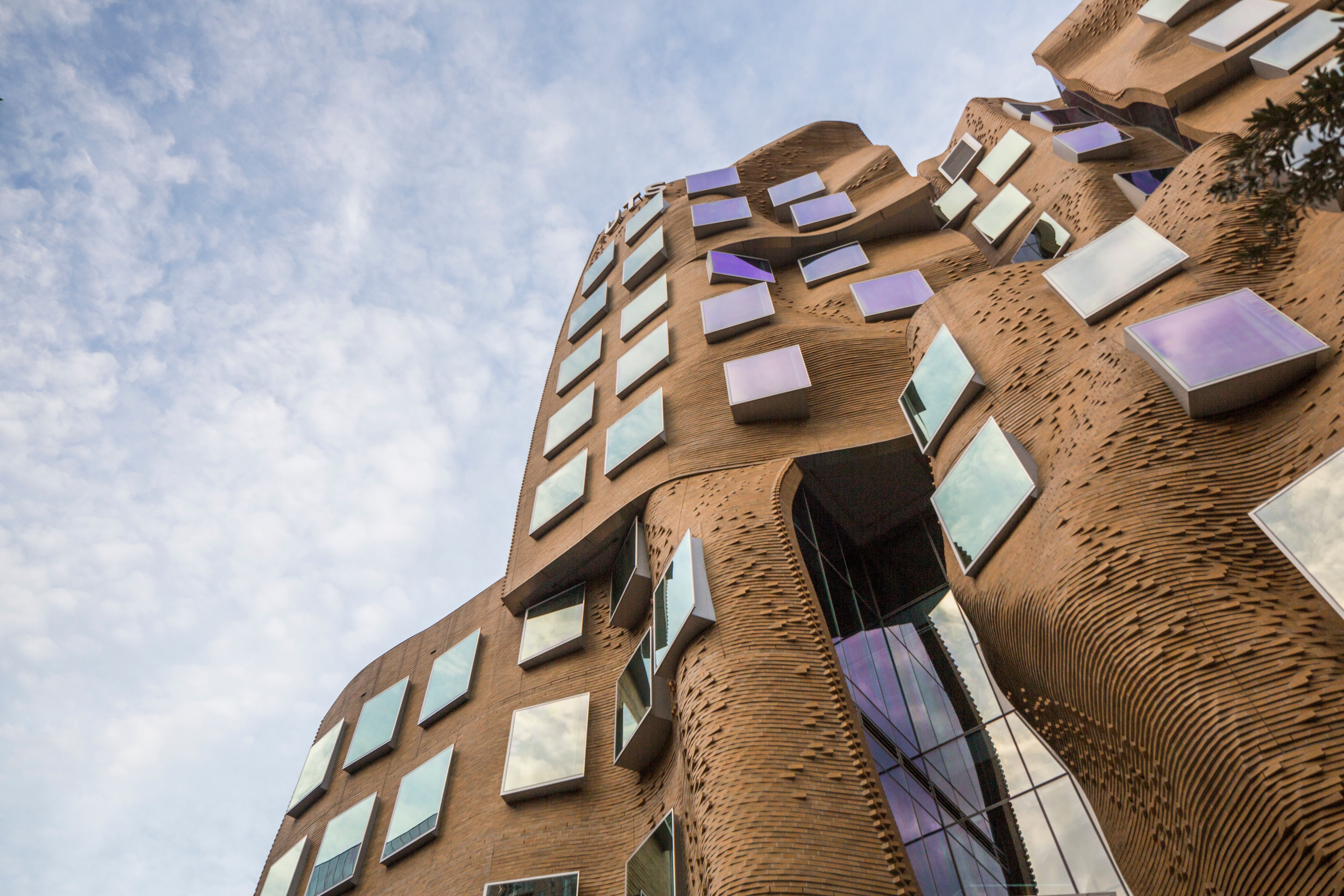
The Master of Teaching (Secondary) program at UTS is designed for graduates who wish to pursue a career in secondary school teaching. This course provides a pathway to initial teacher accreditation, equipping students with the knowledge and skills required to teach in Australian secondary schools. It covers pedagogical theories, curriculum development, and practical classroom experience. The program focuses on developing effective teaching strategies, classroom management techniques, and an understanding of adolescent learning. Students will engage in supervised teaching practice in diverse school settings, allowing them to apply their learning in real-world environments. The curriculum is structured to meet national teaching standards and prepare graduates for the challenges and rewards of the teaching profession.
Master of Teaching (Secondary)
The Master of Teaching (Secondary) program is designed for graduates who hold a bachelor's degree in a field other than education and wish to qualify as secondary school teachers (Years 7-12). Your undergraduate degree must align with the subject areas currently taught in Queensland secondary schools to be eligible. This program will build upon your existing subject knowledge with discipline-specific teaching courses, equip you with the skills to assess student learning, design effective lesson plans, and manage diverse classroom environments. You will undertake supervised professional experience across three blocks, totaling 60 days of practical teaching, with opportunities to gain experience in rural and remote settings. The program also includes ongoing professional development seminars and employment forums.
Master of Teaching and Learning (Secondary)
This Master of Teaching and Learning (Secondary) program is designed for individuals looking to change careers or aspiring educators. It equips graduates with the skills to teach confidently in state, Catholic, and independent secondary schools. The course emphasizes a practical, adaptable approach to pedagogy, preparing students to address the diverse learning needs of secondary school students in various settings, including urban, rural, tropical, and Indigenous contexts. Throughout the degree, students will gain extensive practical experience through mandatory placements in secondary schools. The program structure integrates coursework with practical application, culminating in a capstone experience. Graduates will be eligible for registration with the Queensland College of Teachers and prepared to inspire the next generation of learners.

Study at Monash University
Monash University offers a wide range of study options for international students, including undergraduate, graduate, and research degrees. The university is committed to providing a high-quality educational experience across various disciplines. Monash is known for its global presence and commitment to research and innovation. Students can explore various study areas such as Art, Design and Architecture, Business, Engineering, Information Technology, Law, Medicine, Pharmacy, and Science. The university also emphasizes student experience, offering opportunities for leadership and a supportive learning environment across its multiple campuses in Melbourne.
Study Education at the University of Wollongong
The University of Wollongong (UOW) offers a range of Education degrees designed to prepare you for impactful careers in teaching and educational leadership. You will learn to engage with key educational theories, critically analyze social, cultural, and political influences on learning, and develop the practical skills sought by employers. UOW's programs aim to equip you to play a significant role in the development of students, fostering their social, cognitive, and emotional growth. Whether you are interested in early childhood, primary, or secondary education, or wish to specialize in areas like Autism Studies, Special Education, or TESOL, UOW provides pathways to achieve your career goals. The university also offers postgraduate research opportunities for those looking to contribute to the field through advanced study and investigation.
Study Teaching at QUT
QUT's teaching programs are designed to equip you with the skills and knowledge to foster the growth and development of children and young people. You will learn from experienced educators and gain practical experience through professional placements. The university offers various pathways to becoming a teacher, catering to different specializations such as early childhood, primary, and secondary education. QUT emphasizes understanding diverse learning needs and preparing graduates to confidently enter the teaching profession.
Undergraduate Certificate of Teaching (Early Childhood Education)
This certificate provides an introduction to the core knowledge and skills needed to work as an early childhood educator. You will learn how to use creativity and play to foster the imagination, learning, and development of young children. The program combines theoretical learning with practical experience, equipping you to work in various education and care settings.
Frequently asked questions
How much does Education & Teaching study in Australia cost?
+
Tuition ranges from free up to approximately €18,000 per year. Scholarship-supported places are available at the lower end; most international students pay mid-range fees depending on their institution and programme.
Which universities offer Education & Teaching in Australia?
+
Among the 20 universities listed are the University of Wollongong, Australian Catholic University, La Trobe University, Curtin University, Charles Darwin University, and the University of Southern Queensland.
Can international students enrol in Education & Teaching programmes in Australia?
+
Yes. A student visa (subclass 500) is required, and English proficiency requirements are strict — most education programmes require IELTS 7.5 overall, with no band below 7.0.
What are the typical entry requirements?
+
Undergraduate programmes require completion of secondary education equivalent to Australian Year 12; postgraduate programmes require a relevant bachelor's degree. All applicants must meet the higher English proficiency standards set for teaching degrees.
How do I apply for an Education & Teaching programme in Australia?
+
Applications are submitted directly to each university's international admissions office. It is recommended to apply at least 9–12 months before your intended start date to allow time for visa processing and document preparation.