Medicine & Health Sciences in United States
The United States offers 133 Medicine & Health Sciences programmes across 71 universities — the largest number of institutions in this hub — covering a broad spectrum from public health and nursing to pre-medical and clinical sciences. Elite private universities such as Northeastern University, Boston University, and Georgetown University are joined by large public schools including Colorado State University, California State University Channel Islands, and California Southern University.
Annual tuition ranges from free (for some funded or stipend-supported positions) to approximately €71k at the upper end, with costs varying considerably between public and private institutions and by degree level. The US health sciences ecosystem, including its teaching hospitals, research centres, and health-tech industry, makes it an unrivalled environment for students planning careers in healthcare.

Accelerated BS/DO Program
Florida Polytechnic University and the Orlando College of Osteopathic Medicine (OCOM) offer a unique 6-Year BS/DO program, providing a fast-track route to becoming a physician. This program is designed for high-achieving students who want to combine rigorous undergraduate STEM education with professional medical training. The initiative aims to address physician shortages and offer a more financially sustainable path to a medical degree. Students will spend their first two years at Florida Poly completing foundational science and math coursework. Following this, they will transition to OCOM for four years of intensive study in osteopathic medicine, a distinct branch of medical practice emphasizing a holistic, whole-person approach to healthcare. This accelerated pathway allows graduates to earn both their Bachelor of Science and Doctor of Osteopathic Medicine (DO) degrees in a significantly shorter timeframe than traditional routes, reducing overall educational costs by eliminating two years of tuition and living expenses.

Aging Studies Postbaccalaureate Certificate
The Aging Studies Postbaccalaureate Certificate is a 12-credit graduate-level program designed to enhance knowledge and understanding of the multifaceted field of human aging. This interdisciplinary program offers a comprehensive background for professionals seeking to address the needs of an aging population. While courses may be offered online and face-to-face, applications are currently not being accepted for this program. Students interested in this area of study may consider the Gerontology minor instead.

AI in Healthcare
This online course explores the downstream effects of Artificial Intelligence (AI) in healthcare, examining the opportunities and challenges associated with its implementation. By understanding the benefits and limitations of AI in healthcare, participants will be better prepared for its real-world clinical application. The program aims to equip you with the knowledge to integrate AI into clinical workflows, apply best practices for equitable healthcare solutions, and understand the regulatory landscape of AI applications in medicine.

Applied Health Sciences
The Applied Health Sciences major is designed for students interested in health-related fields. This program requires specific course sequences in various academic areas, including written composition, literature, arts, philosophy, mathematics, biological and physical sciences, history, and psychology. Students will also complete a set of specialized courses in Area V focused on health sciences, microcomputer applications, and statistics. The degree is available exclusively at the Troy and Dothan campuses.
Applied Health Sciences Program

Associate in Science in Radiography
Radiographers are essential healthcare professionals who use advanced imaging technology to help diagnose injuries and diseases. They operate equipment to create diagnostic images of bones, tissues, and organs, carefully controlling radiation exposure to minimize patient risk. Their responsibilities also include maintaining patient records, monitoring equipment, assisting with procedures like fluoroscopy and contrast studies, and performing imaging for trauma patients and in operating room settings. This Associate in Science program trains students to become skilled radiographers. The program has a limited number of seats available each year, requiring a specific application process and adherence to deadlines. Graduates are eligible to apply for state licensure and national certification exams.

Associate of Applied Science Degree in Health Science with a concentration in Medical Assisting

Associate of Science in Health Science (AHS)
Gain the latest knowledge and skills to give you a competitive advantage in the rapidly growing field of health science. This online Associate of Science in Health Science (AHS) degree is a perfect introduction to the fast-paced world of healthcare and provides the groundwork for a future bachelor’s degree. You will explore a wide range of health-focused topics, from disease prevention, psychology, global health, public healthcare, biology to general health and wellness. This degree is ideal for working professionals seeking a strong foundation in health science or those aiming to pursue advanced studies in the future.
Associate of Science in Radiologic Technology
The Associate of Science in Radiologic Technology program provides comprehensive academic and clinical training to prepare students for administering ionizing radiation in medical imaging. This program focuses on developing the necessary skills to become a qualified radiology technician and prepare for licensing exams. Students will gain hands-on experience in modern imaging labs and undertake clinical rotations in diverse healthcare settings, including trauma, pediatrics, and surgery.

Bachelor of Science (BS) in Healthcare Administration
The Bachelor of Science (BS) in Healthcare Administration at California Baptist University equips you with the business management and healthcare system knowledge to become a leader in the healthcare industry. This program prepares you to manage and lead in various healthcare settings, from hospitals to nursing homes, by developing your analytical and management skills. You will learn to ensure patient care quality and operational efficiency within healthcare organizations. The curriculum is designed to align with guidelines from the American College of Healthcare Executives (ACHE) and the Association of University Programs in Health Administration (AUPHA). It includes essential topics such as healthcare ethics, finance, strategic planning, and information technology. A key component of the program is a senior-year internship, providing practical experience under the guidance of experienced healthcare leaders. The program also emphasizes hands-on learning through field experiences and offers opportunities for international service projects.
Bachelor of Science (BS) in Public Health Science & Bachelor of Arts (BA) in Community and Global Public Health
The University of Michigan School of Public Health offers undergraduate bachelor's degrees designed to prepare students to address critical global health challenges. Students can choose between a Bachelor of Science (BS) in Public Health Science or a Bachelor of Arts (BA) in Community and Global Public Health. These programs foster a diverse community passionate about creating a healthier, more equitable world, with opportunities to learn from supportive faculty, engage in innovative research, and gain hands-on experience. An undergraduate degree in public health equips graduates for fulfilling careers in various sectors, including medicine, nursing, health education, policy, and research. The curriculum is designed to provide a strong foundation for immediate impact or further academic pursuits. The school also offers dual degree opportunities with the College of Literature, Science, and the Arts (LSA) and welcomes both current University of Michigan students and external transfer applicants.
Bachelor of Science in Biomedical Sciences
The Bachelor of Science in Biomedical Sciences is an interdisciplinary program that blends biology, chemistry, and engineering to prepare students for a variety of careers in medicine, research, and healthcare innovation. The program provides a strong foundation for students interested in medical school, with opportunities for immersive lab experiences and advanced coursework. Students can also pursue specialized certificates and a direct pathway to osteopathic medicine. Florida Polytechnic University's Biomedical Sciences program focuses on preparing students through hands-on learning, cutting-edge coursework, and practical application. The curriculum emphasizes scientific inquiry, critical thinking, and communication skills, preparing graduates to tackle complex challenges in the healthcare field. The program also offers a unique BS/DO pathway in partnership with the Orlando College of Osteopathic Medicine (OCOM).

Bachelor of Science in Health Science
The Bachelor of Science in Health Science program prepares you to become a healthcare advocate, understanding the multifaceted factors influencing public health. You will gain knowledge in examining cultural, sociopolitical, psychological, legal, ethical, and economic aspects that impact wellness and health. Graduates are equipped to work in diverse healthcare settings, including hospitals, research labs, private medical offices, public health organizations, insurance companies, and government agencies.
Bachelor of Science in Health Science (BHS) Online
The Bachelor of Science in Health Science (BHS) is an online degree program designed to equip you with essential knowledge and skills for a career in the rapidly growing healthcare field. You will gain insights into the social and biological factors influencing health, learn to analyze health problems and propose solutions, develop teamwork and leadership abilities, and explore ethical considerations within healthcare policy and law. This program provides a strong foundation for advancing your current career or pursuing further graduate studies in health-related fields.
Bachelor of Science in Healthcare Administration
The Bachelor of Science in Healthcare Administration program provides a foundational understanding of the healthcare industry and equips students with the skills needed for entry-level administrative roles. Key areas covered include healthcare finance, management, information systems, community health, research, and long-term care administration. The curriculum emphasizes evidence-based decision-making, adherence to legal and ethical standards, and an understanding of healthcare economic and financial dynamics. Students will explore topics such as managed care, public health, healthcare delivery systems, and sector-specific marketing strategies. This program aims to develop critical thinking, communication, and organizational skills essential for addressing challenges in various healthcare settings. Through ECPI's accelerated, year-round schedule, students can complete this degree in as little as 2.5 years.
Bachelor of Science in Healthcare Administration

Bachelor of Science in Healthcare Administration Online
The Bachelor of Science in Healthcare Administration is a 100% online program designed for working adults seeking to advance into leadership roles within various healthcare settings such as hospitals, clinics, and long-term care facilities. The curriculum focuses on developing practical expertise in managing healthcare operations, balancing patient-centered care with operational efficiency. Students will build a strong foundation in healthcare finance, policy, and administrative practices, guided by experienced faculty. The program offers accelerated 7-week courses and multiple start dates, allowing for flexible completion. Up to 90 credits can be transferred, which can reduce the overall cost and time to degree completion. Graduates will be prepared to manage core healthcare operations, apply leadership principles, utilize healthcare data for decision-making, develop budgets, and communicate effectively with diverse stakeholders.

Biomedical Science Program
The Biomedical Science program at Maryville University offers an interdisciplinary approach, combining the fields of biology and medicine. This program is designed to prepare students for careers in healthcare, the natural sciences, or for advanced study. You will delve into core biology subjects alongside specialized topics like human anatomy, immunology, and molecular genetics. The curriculum aims to equip you with the knowledge and skills to pursue a fulfilling career and make a meaningful impact in the world of health sciences.
Biomedical Sciences (CGS)
Biomedical Sciences (MS) - One Year Master's Program

Biomedical Sciences PhD
This program focuses on doctoral research within Biomedical Sciences, with a specific dissertation example exploring the molecular mechanisms of Amyotrophic Lateral Sclerosis (ALS), particularly the role of misfolded SOD1 protein. Research involves investigating protein interactions, cellular toxicity, and utilizing transcriptomic data to understand disease pathways. The work aims to identify binding partners and pathways associated with SOD1 trimers, comparing them to wild-type SOD1 dimers. Computational and biochemical methods are employed for detailed characterization of identified proteins. The research also considers the application of induced pluripotent stem cells (iPSCs) as disease models and the broader implications of oligomers in ALS research, suggesting potential pathways in the disease's etiology affecting both nerves and muscles.

Biomedical Sciences, Bachelor of Science
The Biomedical Sciences program at the University of Central Oklahoma offers a Bachelor of Science degree focused on understanding the complexities of the human body. This program delves into the mechanisms of diseases, explores therapeutic approaches, and investigates the development of new treatments. It provides a strong foundation for students interested in pursuing careers in healthcare and scientific research.
BS in Healthcare Administration
The Bachelor of Science (BS) in Healthcare Administration program equips students with the knowledge and skills necessary to manage healthcare services and facilities effectively. This program focuses on the administrative aspects of healthcare, preparing graduates for leadership roles in various healthcare settings.

CCC in Paramedic
The Paramedic program at Northwest Florida State College offers advanced training for aspiring emergency medical providers. As the highest trained pre-hospital emergency care providers, paramedics play a critical role in responding to medical emergencies. This program equips students with the knowledge and skills to become competent leaders in the fast-paced field of Emergency Medical Services. It provides three semesters of specialized education beyond the Emergency Medical Technician (EMT) Basic level, preparing graduates to sit for the Florida or National Registry Paramedic board examination. The curriculum for this certificate program also serves as the foundation for the Associate in Science in Emergency Medical Services degree. Students have the option to complete additional general education and elective credits to earn the A.S. degree. Admission to the Paramedic program is selective, requiring applicants to meet specific criteria beyond general college admission.

Certificate in Addiction Studies
The Certificate in Addiction Studies (CPAS) at California Southern University is designed for individuals interested in specializing in addiction and substance use disorders. This program provides focused, practical curriculum relevant to undergraduate studies, professional development, and preparation for further education. It aims to equip students with a foundational understanding of addictive behaviors, their impact on individuals and families, and the ethical considerations in counseling. This certificate meets the 315 hours of Substance Use Disorder (SUD) specific education required for Certified Alcohol Drug Counselor I/II certification by the California Consortium of Addiction Programs and Professionals (CCAPP) and aligns with nationally approved educational standards for the addiction counseling profession. California Southern University is recognized as an Approved Academic Education Provider by NAADAC, The Association for Addiction Professionals. Upon successful completion, students earn a certificate, not a degree. A minimum grade of 'C' in all courses is required. The program is delivered online, offering flexibility for students.
Certified Phlebotomy Technician (Vouchers and Lab Included)
This online program prepares you for a career as a Certified Phlebotomy Technician. It covers essential medical terminology, human anatomy and physiology, and the specific skills needed for phlebotomy. You will learn about various body systems, common disorders, diagnostic procedures, and laboratory testing.
Child Life Specialist Certificate
The Child Life Specialist Certificate program at Maryville University is designed to provide students with the foundational knowledge and skills needed to support children and families facing healthcare experiences. This program focuses on the psychological, social, and developmental needs of children in medical settings. Graduates will be prepared to pursue certification as Child Life Specialists, contributing to positive patient and family outcomes in healthcare environments.

Community Health Sciences Degrees
UCLA offers multiple graduate degree pathways in Community Health Sciences, designed to equip students with the knowledge and skills to address public health challenges within communities. These programs integrate foundational public health principles with practical application, focusing on areas such as health equity, health education, and program planning and evaluation. Students gain hands-on experience through field placements and research opportunities, preparing them for careers in public health practice, research, and leadership.
Cosmetology
Culinary Nutrition
Culinary Nutrition Associate of Applied Science
The hospitality industry is evolving, with consumers increasingly prioritizing nutrition in their food choices. This program prepares you for exciting careers where you can blend culinary skills with an understanding of nutrition. You'll learn to create delicious meals that also meet health and dietary needs, catering to demand in restaurants, healthcare facilities, schools, and more. Gain fundamental culinary expertise alongside the scientific knowledge of nutrition and dietary management.

Doctor of Philosophy (PhD) in Community Health Sciences
The Doctor of Philosophy (PhD) in Community Health Sciences program at Boston University is designed to prepare you to become an independent, innovative, and productive research scientist. The curriculum emphasizes social and behavioral science theories and methods, community-engaged research, and social justice, with the goal of training the next generation of community health scholars. This doctoral program integrates advanced methodological training with a social justice perspective and a focus on collaborations with community members and organizations to ensure research is rigorous, impactful, and equitable. The program aligns with Boston University’s strategic priorities by offering a high-quality residential education, fostering research that addresses complex public health challenges, and promoting social justice through scholarship. Graduates will be equipped to analyze the social and behavioral determinants of health, develop theoretically informed research questions, apply diverse research methods, and communicate findings effectively to various audiences.
Doctor of Physical Therapy (DPT)
The Doctor of Physical Therapy (DPT) program at PCOM Georgia is designed for individuals passionate about helping others and committed to patient-centered care and community service. Located in Suwanee, GA, the program emphasizes a holistic approach to patient management, integrating classroom learning with extensive clinical experiences in diverse healthcare settings. The curriculum focuses on practical knowledge and skills, preparing graduates for licensure and practice as physical therapists. PCOM Georgia is dedicated to cultivating an inclusive learning environment, fostering caring practitioners, and promoting lifelong learning within the profession.

Doctor of Physical Therapy (DPT)
The Doctor of Physical Therapy (DPT) program at Northwestern University Feinberg School of Medicine is an innovative 32-month curriculum designed to prepare students for careers as physical therapists and movement scientists. It integrates basic science and clinical coursework within a movement sciences framework, emphasizing clinical decision-making grounded in scientific principles, patient values, and evidence-based practice. The program utilizes a variety of teaching methods, including lectures, small-group discussions, anatomy and clinical skills labs, team-based learning, research projects, service learning, and interprofessional education. Faculty are dedicated to the scientific foundations of contemporary practice and the scholarship of teaching and learning. The curriculum is structured around the Motor Control Framework (MCF), developed by Northwestern faculty, to help students diagnose and treat movement dysfunction. Students learn to observe movement, integrate information about the person, task, and environment, and formulate hypotheses for examination and care plans, with evidence-based practice integrated throughout. The program includes extensive clinical experiences, comprising four full-time clinical rotations and part-time integrated experiences throughout the didactic training. These experiences allow students to apply their knowledge and skills under supervision in various practice settings across the lifespan. The department also fosters global health awareness and opportunities through partnerships, including international clinical rotations in Belize and Chile, and local community engagement initiatives.
Doctoral Programs in Population and Public Health Sciences
The Department of Population and Public Health Sciences at the University of Southern California offers three distinct doctoral programs designed to equip students with advanced knowledge and research skills for careers in academia or industry. These programs focus on critical areas of public health research, preparing graduates to address complex health challenges. The PhD in Biostatistics equips students to apply statistical theory and methods to biological and health sciences, fostering skills in research, teaching, and consulting. The PhD in Epidemiology focuses on developing an epidemiologist with in-depth methodological knowledge and analytical capabilities, emphasizing advanced design and analytic techniques for studying the causes of disease and promoting public health. Lastly, the PhD in Health Behavior Research offers academic and research training for students interested in health promotion and disease prevention. This program integrates theory and methods from various disciplines like psychology, public health, and epidemiology to prepare students for research positions in preventive medicine, population health, and health policy.
Emergency Medical Technician (EMT)
The Emergency Medical Technician (EMT) program at Illinois Eastern Community Colleges (IECC) is designed to prepare students for the National Registry of Emergency Medical Technicians (NREMT) examination. This program focuses on providing the foundational knowledge and skills necessary to enter the field of emergency medical services. Upon successful completion of the program and passing the NREMT exam, graduates will be equipped to provide immediate care for the sick and injured in pre-hospital settings. The curriculum aims to ensure students meet the requirements for licensure in many U.S. states, though it is the student's responsibility to verify specific state licensing requirements through the provided NREMT resources.

Environmental and Occupational Health
The Environmental and Occupational Health program focuses on understanding and mitigating the health impacts of environmental factors, such as pollution and hazardous materials, as well as workplace hazards. It aims to protect individuals and populations by evaluating health effects and developing interventions to reduce risks of injury and illness. The program covers areas like ergonomics, human factors, and wellness for current and future workers. Texas A&M's program offers concentrations in safety, health, and ergonomics for Master of Public Health (MPH) students. Graduates gain expertise in general occupational safety and health concepts, industrial hygiene, occupational disease, human anatomy, and statistics. The curriculum is designed to address the shortage of qualified safety and health professionals and is delivered through a combination of on-campus and distributed learning technologies, attracting a diverse student body.
Executive Master of Health Administration (EMHA)
The Executive Master of Health Administration (EMHA) program at Texas A&M University is designed for experienced mid-career healthcare professionals and executives. This 45-credit hour program aims to enhance participants' educational knowledge and leadership skills within health services and related industries. Tailored for those with at least five years of increasing responsibilities, the EMHA program offers a comprehensive curriculum focusing on key areas such as health systems management, policy, finance, and human resources. The program is structured to accommodate working professionals, with classes primarily delivered online following a mandatory in-person orientation. Graduates are prepared for advanced leadership roles, contributing to the effective management and strategic direction of healthcare organizations. The program emphasizes practical application and aims to equip students with the skills necessary to navigate the complexities of the modern healthcare landscape.

Expressive Therapies Master's Programs
Lesley University offers Master of Arts degrees in Expressive Therapies, preparing students to become Licensed Mental Health Counselors (LMHC) and certified therapists. The program uniquely integrates creativity, imagination, and expression into mental health practice. Lesley is one of the few universities nationwide to offer specializations in all five expressive therapy modalities: Art Therapy, Dance/Movement Therapy, Drama Therapy, Expressive Arts Therapy, and Music Therapy within the same academic department, fostering an interdisciplinary and art-infused approach. Graduates are equipped to guide individuals, groups, and communities toward improved mental health.
Funeral Service Certificate
The University of Central Oklahoma offers a Certificate program in Funeral Service. This program is designed for individuals seeking to enter the profession of funeral service, which honors and cherishes the memories of loved ones. The program is delivered on campus.

Graduate Programs in Health and Human Sciences
Purdue University's College of Health and Human Sciences offers a wide range of graduate programs designed to prepare students for impactful careers in various health and human-related fields. These programs focus on research, clinical practice, and leadership, equipping students with advanced knowledge and skills. Many programs are housed within specialized departments, allowing for in-depth study and engagement with faculty who are leaders in their respective areas. Students have the opportunity to pursue Master's degrees, Doctoral degrees, and graduate certificates, depending on their career aspirations and academic goals.

Graduate Programs in Nutrition
Cornell University offers graduate studies in Nutrition through its Field of Nutrition, which brings together faculty from various departments. This interdisciplinary approach integrates knowledge from chemical, biological, clinical, and social sciences to address complex questions in human metabolism, nutrition, health, and policy. The program aims to train students to improve individual and community health through advanced research, education, advocacy, or policy development.

Health and Wellness, MS (Online)
The Online Master of Science in Health and Wellness at Lindenwood University is designed for professionals aiming to promote holistic well-being, preventive health, and enhanced physical performance. This program offers a flexible, career-focused online path for those interested in community health, corporate wellness, or performance coaching. Delivered through accelerated 8-week courses, it allows you to balance work and education, equipping you with the knowledge and practical skills for leadership and innovation in wellness roles. The curriculum emphasizes a holistic approach, integrating physical, mental, and behavioral health. You will learn to optimize performance, develop and lead wellness initiatives, and guide individuals and groups toward sustainable health outcomes. The program also explores current industry trends and innovations. Lindenwood's online programs incorporate opportunities to engage with Artificial Intelligence (AI) as a learning and career preparation tool, focusing on ethical and responsible use.
Health Professions Program
The University of Central Oklahoma's Health Professions program, within the College of Mathematics and Science, is designed to guide students interested in pursuing careers in medicine, dentistry, veterinary medicine, pharmacy, allied health, public health, and other medical fields (excluding nursing). This program advises on course selection and curriculum planning to ensure students complete a baccalaureate degree at UCO and are well-prepared for admission to graduate health professions programs across the United States. Upon admission to UCO and meeting with an academic advisor, students can schedule an appointment with the dedicated Health Professions advisor. The program offers support in finding opportunities for job shadowing, volunteering, graduate exam preparation (MCAT, DAT, GRE), summer research, and involvement in UCO clubs. They also assist with health professions application preparation and host events like a mentorship dinner with practitioners and a career fair with admissions representatives from various health professions programs.
Health Science
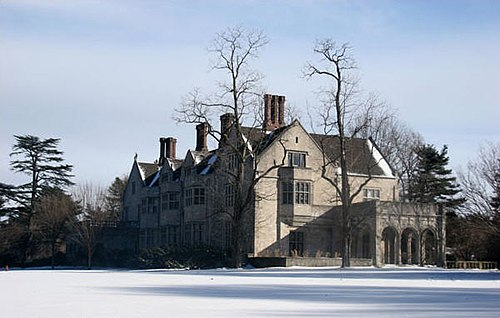
The Health Science major at Stony Brook University's School of Health Professions offers a forward-thinking curriculum designed to adapt to the dynamic healthcare landscape. The program emphasizes a holistic education, integrating essential components such as ethics, cultural humility, effective communication, critical thinking, evidence-based practice, and scholarly inquiry. Through active, collaborative, and inclusive teaching methods, students develop the knowledge, skills, and competencies necessary for either entering the healthcare workforce or pursuing advanced graduate studies. This major is structured to support three distinct groups of students: those preparing for health-related clinical graduate programs (like DPT, OTD, medical school, PA, SLP, AHI), students in a specialized five-year pathway for radiation therapy, radiologic technology, or medical dosimetry, and individuals who are currently employed in entry-level healthcare roles while seeking part-time enrollment in non-clinical health-related graduate programs.

Health Science Programs
The Health Science program at California State University Channel Islands (CSUCI) provides a strong foundation for careers in the healthcare sector or for further graduate study. The program combines academic coursework with practical, hands-on experience through service-learning and internships, allowing students to explore the diverse aspects of the healthcare field. Students will engage with core subjects in biology, chemistry, sociology, and health, alongside electives tailored to their interests. The curriculum is designed to prepare graduates for a wide range of roles in public and private health services, which are in high demand. The program culminates in a capstone experience, such as an internship with a community or public health organization, or supervised community-based research, providing valuable real-world exposure.
Health Science, MS (Online)

Health Sciences
The Health Sciences major at West Virginia Wesleyan College is designed for students interested in contributing to the healthcare field without pursuing a direct clinical care role. This program provides a broad understanding of health, healthcare systems, and wellness issues. It emphasizes experiential learning through a required four-credit internship in the final semester, where students work with community agencies. Students can choose a general Health Science track or a Health Science – Health Education Focus track.
Health Sciences Integrated Program (PhD)
The Health Sciences Integrated Program (HSIP) offers doctoral training across several health science disciplines. Students can specialize in Biostatistics, Health and Biomedical Informatics, Health Services and Outcomes Research, or Social Sciences and Health. This PhD program builds on existing master's degrees and integrates new areas of study in measurement and health behavior, providing rigorous interdisciplinary training essential for 21st-century population health research. Students develop an individualized course of study by leveraging resources from The Graduate School and the Feinberg School of Medicine. The program aims to equip students with a strong academic foundation to excel in research related to clinical and population sciences. Graduates are prepared to become leaders in population health science, capable of integrating diverse disciplinary approaches and methodologies.

Health Sciences Programs
Trident University's College of Health Sciences offers a range of online programs designed to prepare students for leadership and service roles in the health and human services industry. Utilizing the EdActive™ Learning Approach, these programs aim to sharpen critical thinking and equip graduates for diverse clinical and administrative settings. Programs are available at the associate, bachelor's, master's, and doctoral levels, focusing on areas such as health administration, health sciences, and homeland security.

Health Services Management
The Health Services Management A.S. degree program is designed to equip students with a background or credentials in the health field for roles in healthcare services and management. It focuses on developing essential skills in communication, leadership, human relations, management, accounting, and legal aspects, along with computer literacy. This program prepares graduates to effectively manage health services within their chosen discipline and community.

Healthcare and Human Services: Dental Hygiene BAS Program
Seattle Central College's Dental Hygiene BAS Program prepares students for dynamic roles in oral healthcare. The program emphasizes educational excellence through a blend of liberal arts and technical training, focusing on scientific knowledge, skill development, and adapting to societal changes in the field. Graduates will be equipped for the workplace and community service. Prospective students should consult the program website and the "SCC DH Application Information Packet" for detailed information on the profession, career opportunities, prerequisite courses, physical demands, and application procedures. Admission to the program is competitive, with a limited number of students accepted each year.
Healthcare Simulation Leadership, MS (Online)
The online Master of Science in Healthcare Simulation Leadership program at California Baptist University is designed to equip students with the essential leadership skills needed to develop, implement, and manage healthcare simulation learning activities. This program focuses on advancing patient quality and safety outcomes through expertise in healthcare simulation methodologies. It is ideal for professionals seeking to become leaders in this rapidly growing educational field within healthcare.
Human Anatomy (BIOL 250)
BIOL 250, Human Anatomy, is a course offered at Skyline College, part of the San Mateo County Community College District. This course provides a comprehensive study of the gross and microscopic structures of the human body. Learning is facilitated through lectures and hands-on laboratory sessions, which include dissections, the examination of histology slides, the use of anatomy models, and the study of prosected human cadavers. The course is primarily designed for students pursuing careers in Nursing, Respiratory Care, Allied Health, Surgical Technology, Kinesiology, and other health-related fields. It also serves as an elective for students on pre-dental, pre-medical, and pre-veterinary tracks.

Human Nutrition
This course offers an introduction to the science and fundamental principles of human nutrition. It explores the major functions and sources of essential nutrients and their impact on health and disease. Topics include nutritional needs across different life stages, food choices, health behaviors, food safety, the prevention of chronic diseases, and public health nutrition issues in the United States and globally. The course emphasizes the practical application of nutrition science to current health concerns and links nutrition to relevant concepts in chemistry and physiology.
Kellogg Biotech + Healthcare Case Competition
The Kellogg Biotech + Healthcare Case Competition is a prestigious annual event that brings together student teams from top universities worldwide to tackle complex challenges in the healthcare and biotechnology sectors. This competition offers a platform for emerging leaders to enhance their analytical and presentation skills by developing and presenting solutions to real-world industry problems. It serves as a unique opportunity to network with peers and industry professionals, fostering innovation and driving positive impact within the healthcare landscape.
M.S. Physician Assistant
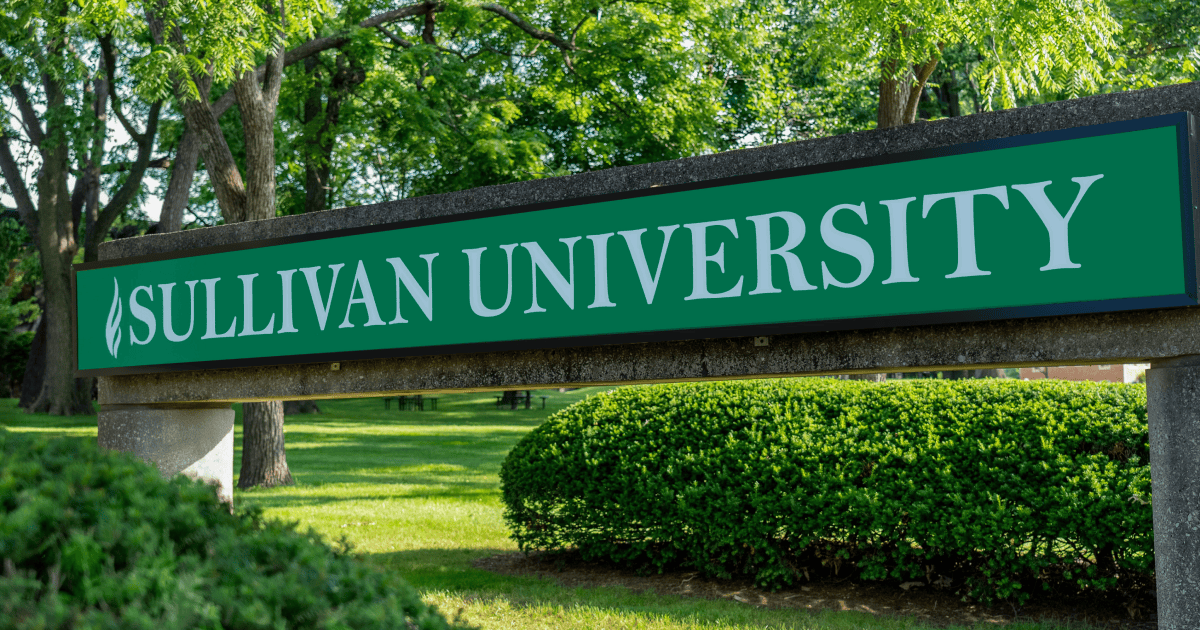
The Master of Science in Physician Assistant program at Sullivan University is designed to prepare you for a rewarding career in healthcare. This program emphasizes ethical, high-quality, and compassionate patient care within an inter-professional team setting. It combines a strong academic foundation with extensive hands-on clinical training, ensuring you develop the necessary skills to succeed in various healthcare environments and prepare effectively for the Physician Assistant National Certification Exam (PANCE).

Master of Biomedical Sciences
The Master of Biomedical Science (MBS) program at Duke University is designed to provide students with a comprehensive understanding of biomedical sciences. This program aims to equip graduates with the knowledge and skills necessary for further doctoral studies, careers in the biomedical industry, or other health-related professions. The curriculum focuses on foundational scientific principles and their application in research and healthcare settings.

Master of Health Administration
The Master of Health Administration (MHA) program at the Icahn School of Medicine at Mount Sinai equips you with the skills to lead positive change in diverse healthcare settings. In today's rapidly evolving healthcare landscape, innovative thinking and strategic leadership are essential. This program provides an exceptional learning environment, leveraging the resources of a pioneering medical school and an integrated seven-hospital health system. You'll gain hands-on experience, along with critical strategic and operational knowledge from faculty who are actively involved in managing initiatives within the Mount Sinai Health System.
Master of Health Administration
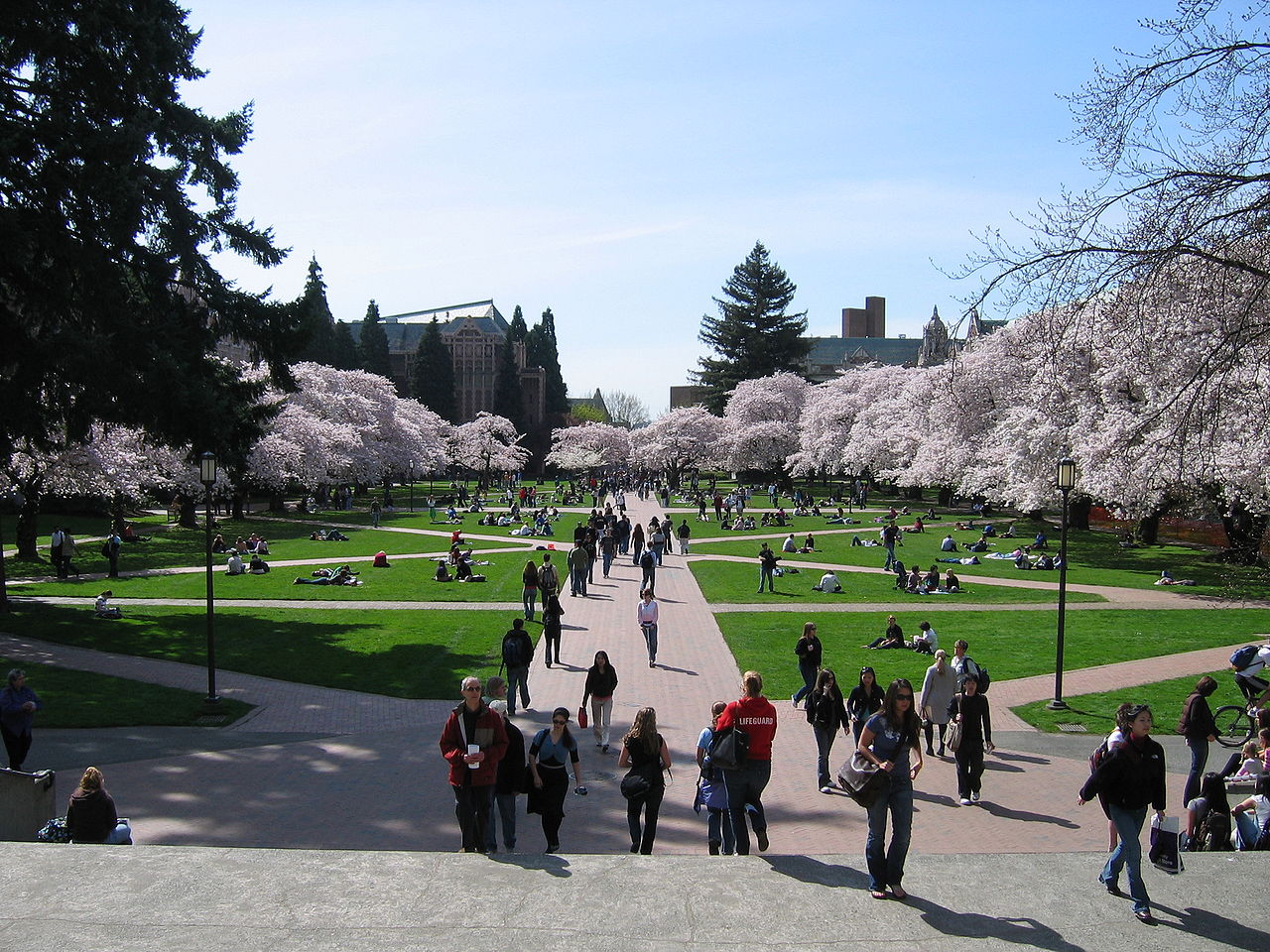
The Master of Health Administration (MHA) program at the University of Washington is designed to train future leaders in the healthcare industry. It is particularly suited for early-career professionals who aim to develop strong leadership and management skills to make a significant impact on the healthcare sector. The program prepares graduates for diverse roles across various healthcare settings.
Frequently asked questions
How much does a Medicine & Health Sciences programme cost in the US?
+
Fees range from free (for funded graduate positions) to roughly €71k per year; public universities tend to charge less for international students than private institutions.
Which US universities offer Medicine & Health Sciences programmes?
+
This hub lists 71 universities including Northeastern University, Boston University, Georgetown University, Colorado State University, California Southern University, and California State University Channel Islands.
Can international students apply for Medicine & Health Sciences programmes in the US?
+
Yes, though entry to medical doctor (MD) programmes is extremely competitive and often restricted to US citizens or permanent residents; many public health, nursing, and allied health master's programmes are open to international applicants.
What entry requirements are typical for US Medicine & Health Sciences programmes?
+
Requirements vary by programme; clinical programmes may require the MCAT or other standardised tests, prior science coursework, and healthcare experience, while public health master's often require a bachelor's degree and GRE scores.
How do I apply for a Medicine & Health Sciences programme in the US?
+
Medical school applications go through AMCAS; other health science programmes are applied to directly through each university's graduate or professional school portal.