Study in Italy
Italy offers 228 programmes at 9 universities, with tuition ranging from roughly €2k to €10k per year — one of the most affordable options in Western Europe for internationally competitive institutions. The Sapienza University of Rome and Università Cattolica del Sacro Cuore are among Italy's largest and most internationally known, while the University of Pisa and the University of Trento are recognised for their research output in science and social sciences respectively.
The University of Turin and the University of Florence add further historic and culturally rich settings to the mix of choices available. Italy's growing portfolio of English-taught master's programmes, particularly in engineering, design, and business, has significantly expanded access for non-Italian-speaking applicants, making it an increasingly attractive destination for students from outside the EU.
6th Distributed Ledger Technology Workshop (DLT2024)
The 6th Distributed Ledger Technology Workshop (DLT2024) is a two-day event held in Turin, Italy, on May 14-15, 2024. This workshop serves as a platform for researchers, developers, and users to discuss Distributed Ledger Technology (DLT) and its applications in both research and business. DLT, initially known for cryptocurrencies, offers disruptive features applicable to various fields like the Internet of Things, Cyber Physical Systems, Edge Computing, and Supply Chain Management, especially through smart contracts. The workshop aims to foster discussion and idea exchange among experts to advance the state-of-the-art, with a particular focus on privacy and security challenges, as well as scalability, sustainability, and decentralization.

ACT - Valorisation and Management of Minor Historic Centres - EnvironmentCultureTerritory, Integrated Actions
This Master's program focuses on the valorisation and management of minor historic centres, integrating aspects of environment, culture, and territory. It aims to provide students with the knowledge and skills necessary to address the complex challenges of preserving and enhancing smaller historical settlements. The program emphasizes an integrated approach, recognising the interconnectedness of environmental sustainability, cultural heritage, and local territorial development. Students will learn to develop strategies for sustainable management and valorisation, considering the unique characteristics of these centres. The curriculum is designed to foster a deep understanding of the socio-economic, cultural, and environmental factors that influence the life and preservation of historic areas. This Master's degree is ideal for those seeking to contribute to the revitalisation and sustainable future of less-known but culturally significant urban areas.
Acupuncture - Phytotherapy (Integration between Traditional Chinese Medicine and Western Medicine)
This Master's program focuses on the integration of Traditional Chinese Medicine (TCM) with Western medicine, specifically exploring acupuncture and phytotherapy. It aims to provide students with a comprehensive understanding of both medical systems and how they can complement each other for patient treatment. The program is designed for those seeking to expand their knowledge in complementary and alternative medicine. The curriculum covers theoretical foundations and practical applications, enabling graduates to apply integrated approaches in their professional practice. The program offers a unique perspective on healthcare by bridging ancient healing practices with modern scientific understanding.
Administration and Public Policy (APP)
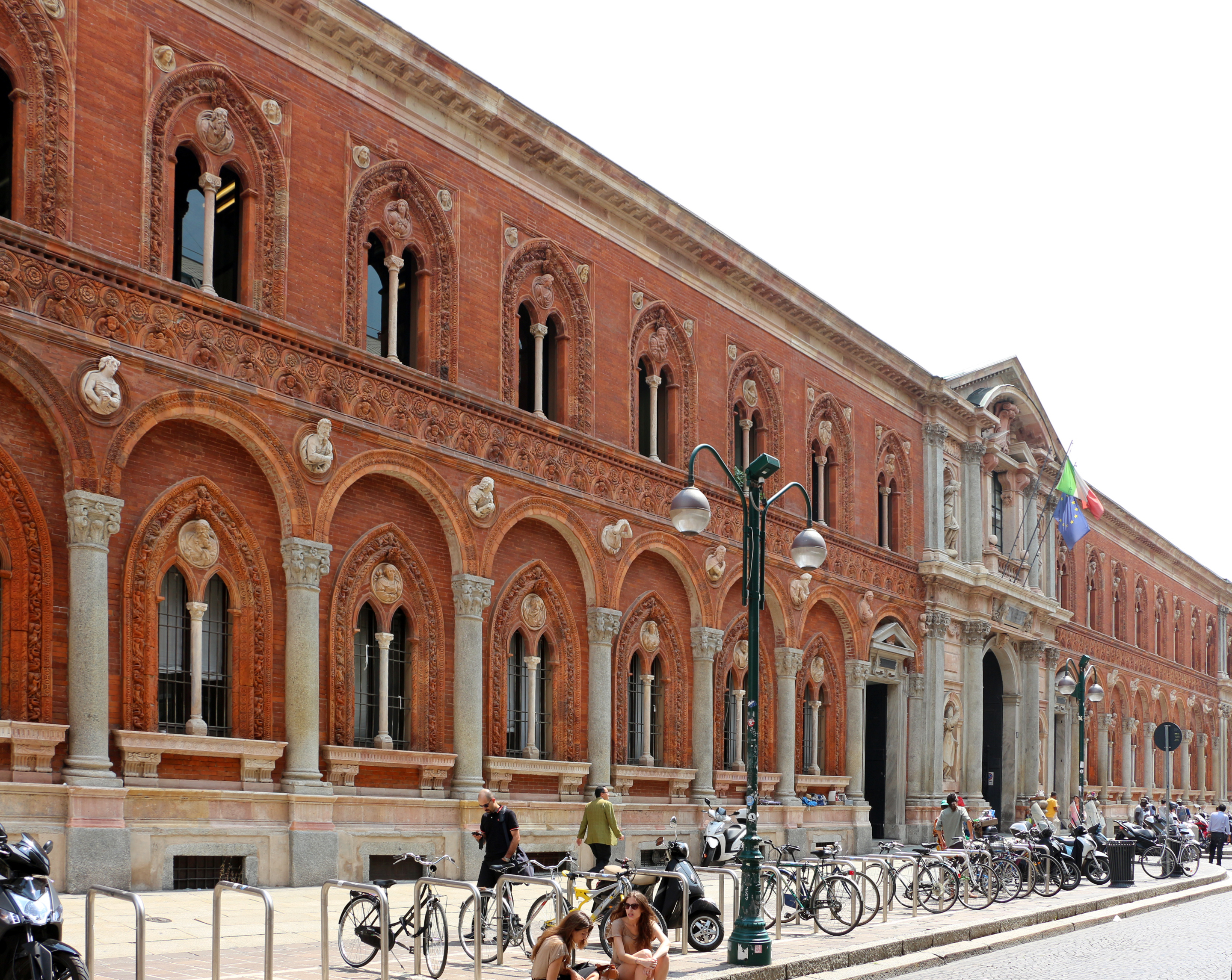
The Master's degree program in Administration and Public Policy (APP) at the University of Milan offers advanced, interdisciplinary training in public management and policy analysis. It aims to equip students with a deep understanding of how local, national, and supranational public organizations function, and the skills to manage resources effectively within complex regulatory environments. The program focuses on developing expertise in policy design, implementation, and evaluation, alongside a strong grasp of international comparison standards. Graduates will be prepared to manage complex projects and initiatives, whether within public administrations or in organizations that support public policy development and implementation.
Andrology - Andrea Tamagnone
This Second Level Master program in Andrology focuses on advanced topics within clinical and experimental medical sciences. It is designed for medical professionals seeking specialized knowledge and skills in the field of andrology. The program aims to provide comprehensive training covering various sub-disciplines and diagnostic techniques related to andrology.
Animal Sciences - Animal Nutrition and Feed Safety
The Master’s degree in Animal Science focuses on key aspects of animal-derived food production, feed safety, and quality. It caters to graduates seeking to enhance their professional standing or deepen their expertise in livestock farming. The program aims to equip students with advanced knowledge in animal nutrition for both livestock and pet animals, while also considering environmental sustainability, animal biodiversity, and animal welfare within livestock production systems. Graduates will gain skills in managing animal feeding, the animal feed industry, and the production and marketing of animal-derived food products. The curriculum emphasizes a holistic understanding to apply acquired knowledge effectively in resource-limited environments, promoting sustainable livestock farming practices.
Archaeology and Ancient History
The Master's Degree in Archaeology and Ancient History offers an in-depth study of past civilizations, focusing on archaeological methodologies and historical analysis. This program aims to provide students with advanced knowledge and research skills in the field of ancient history and archaeology, preparing them for careers in research, heritage management, and cultural institutions. The curriculum covers a wide range of topics, from prehistory and the classical world to late antiquity and medieval periods. Students will engage with various archaeological techniques, epigraphy, and historical interpretation, developing a critical understanding of ancient societies and their material culture. The program emphasizes interdisciplinary approaches, combining archaeological evidence with textual sources and linguistic studies.
Area and Global Studies for International Cooperation (AGIC)
The Master's degree in Area and Global Studies for International Cooperation (AGIC) offers a unique approach by combining the study of international cooperation with in-depth, multi-disciplinary area expertise. This English-taught program aims to provide insights relevant for both academic and real-world applications, bridging the fields of cooperation and area studies, which is a novel aspect in the European academic landscape. The curriculum is designed for students aspiring to careers in international cooperation who are also fascinated by a specific global region. The second year allows specialization in Africa, the Americas, or Asia, enabling a deeper understanding of the cultural traditions, historical experiences, and socio-economic issues of these regions. Strong established relationships with international universities and research institutions, along with dedicated study centers, contribute to the program's excellence in area studies and cooperation.
Artificial Intelligence
The Bachelor of Science in Artificial Intelligence is a collaborative, international program offered by the Universities of Milano-Bicocca, Milano Statale, and Pavia. Taught entirely in English, this program will equip you with a deep understanding of the theoretical foundations, techniques, and applications of Artificial Intelligence (AI). You will gain interdisciplinary knowledge in computer science, mathematics, physics, statistics, and cognitive sciences, with a special focus on AI's core principles. The curriculum also includes ethical and legal training to ensure the socially responsible use of AI technologies. You will have the opportunity to specialize in areas that align with your personal interests, such as communication, automation, robotics, cognitive sciences, or physics technologies, preparing you for a future in a rapidly evolving field.
Artificial Intelligence
Artificial Intelligence and Hig
Artificial Intelligence and High Performance Computing for Sustainable Development
Artificial Intelligence and High-Performance Computing Technologies
This two-year Master's Degree Programme is designed to equip you with the advanced skills needed to design, develop, and manage next-generation intelligent, scalable, and reliable digital systems, leveraging cutting-edge high-performance computing technologies. All courses are taught in English, creating an international learning environment and preparing you for global career opportunities. The curriculum blends fundamental knowledge in mathematics, computer science, and AI ethics with specialized modules in areas like natural language processing, computer vision, trustworthy AI, advanced computational paradigms, and deep learning. You can tailor your studies with elective courses and participate in hands-on workshops addressing real-world challenges proposed by industry and research partners. The program culminates in a thesis project, which can be undertaken within the Department of Computer Science or in collaboration with external organizations. Graduates will be well-prepared for PhD studies or immediate entry into the job market.
Artificial Intelligence for Biomedicine and Healthcare
This Master's degree program focuses on applying digital innovation within the biomedical and healthcare sectors. It equips graduates with a unique interdisciplinary skillset, blending expertise in the biomedical field with practical skills in artificial intelligence and data science. The 2-year, 120 ECTS program covers core areas of biomedicine, data management, and data analysis, alongside integrated courses that delve into the practical and multidisciplinary aspects of these fields. Students will also explore the ethical, legal, and economic considerations of managing biomedical data in various contexts. The curriculum includes laboratory experience and an internship, which can be undertaken domestically or internationally, preparing students for diverse professional and research roles. Graduates will act as crucial bridges between biomedicine and data analysis, enhancing communication in fields where these disciplines often struggle to understand each other.
Artificial Intelligence for Science and Technology
This master's degree program, jointly offered by the University of Milan-Bicocca, the University of Milan, and the University of Pavia, focuses on Artificial Intelligence theories, techniques, and applications across various scientific and technological sectors. Taught entirely in English, the program aims to equip graduates with the skills to contribute to technological innovation, manage complex systems, and excel in international professional environments. The curriculum is designed for a two-year duration, requiring the acquisition of 120 ECTS credits. Upon completion, graduates receive a Master's Degree jointly awarded by the three participating universities, granting access to second-level master's programs and PhDs.

Arts, Media and Performance Studies (DAMS)
The Arts, Media and Performance Studies (DAMS) program at Università Cattolica del Sacro Cuore in Brescia offers a comprehensive undergraduate degree focused on the interdisciplinary study of visual arts, music, performing arts, and fashion. This 3-year program provides students with a blend of theoretical knowledge and practical experience, preparing them for diverse careers in the cultural and creative industries. A key feature of the program is its emphasis on hands-on learning through professionalizing workshops led by industry experts. Students engage in real-world projects, gaining valuable skills and insights into their chosen fields. The curriculum is designed to be consistent with specific training profiles, allowing students to tailor their learning experience.
Banking and Consulting
The Graduate Degree Programme in Banking and Consulting is designed to prepare professionals for the evolving economic and business landscape, heavily influenced by technological innovation and regulatory changes impacting banking and financial structures. This program integrates traditional lectures with practical experiences such as meetings with industry experts, project work, and case studies developed in collaboration with partner companies. Students will develop essential problem-solving and teamwork skills through group activities that mirror the dynamics of banking, financial intermediation, and consulting firms. The curriculum aims to equip graduates with the capabilities to navigate and succeed in modern financial and business consulting environments.
Banking and Finance
This Master's program in Banking and Finance offers a comprehensive study of the financial sector. It is designed to provide students with advanced knowledge and practical skills in areas such as financial markets, corporate finance, risk management, and financial analysis. The program aims to equip graduates with the expertise needed to excel in a variety of roles within the banking and finance industry.
Bioethics, Bio-law and Bio-economics (MB³)
The Master's program in Bioethics, Bio-law and Bio-economics (MB³) offers an interdisciplinary approach to the complex issues arising at the intersection of life sciences, law, and economics. This program aims to equip students with a comprehensive understanding of the ethical, legal, and economic dimensions of advancements in biotechnology, healthcare, and environmental sustainability. Students will engage with current debates and challenges, fostering critical thinking and problem-solving skills. The curriculum is designed to prepare graduates for careers in various sectors that require expertise in navigating the ethical and regulatory landscapes of biological and economic fields.
Bioinformatics for Computational Genomics
The Bioinformatics for Computational Genomics (BCG) Master's Degree is a collaborative program offered by the University of Milan and Politecnico di Milano, taught entirely in English. This interdisciplinary program aims to train a new generation of genomic data scientists skilled in bioinformatics and the analysis of complex biomolecular data. You will gain a deep understanding of the molecular logic of living organisms and learn the statistical and computational approaches necessary to investigate genomes and their functions. The curriculum covers genome organization, gene expression regulation, experimental methods in genomics, bioinformatics analysis tools, algorithmic approaches, database technologies, and systems biology modeling. A compulsory internship in a research laboratory is a key component, leading to a final dissertation. Graduates will be prepared for roles in basic and applied research, capable of designing and executing large-scale genomic analyses, interpreting results, developing analytical tools, and potentially leading research projects.
Biomedical Laboratory Techniques
This Bachelor's degree program trains healthcare professionals to perform laboratory analyses in various fields, including biochemistry, microbiology, immunology, hematology, genetics, and more. Graduates will be competent in managing technical aspects of laboratory services and will understand the principles of biological and pathological phenomena. The program emphasizes the operational principles of analytical instrumentation, methodological bases for clinical pathology, and laboratory safety. The curriculum is designed to align with the European Qualifications Framework (Dublin Descriptors), ensuring that students acquire the necessary knowledge and skills for a career as a Biomedical Laboratory Technician. The program is offered at the Rome Campus of Università Cattolica, within the Policlinico A. Gemelli, providing a strong clinical context for learning.
Biotechnological and Chemical Sciences in Diagnostics
The Master's degree in Biotechnological and Chemical Sciences in Diagnostics is an innovative program designed to train researchers and biomedical operators. It provides a strong foundation in chemistry, biology, and biotechnology, combined with advanced, multidisciplinary skills in both in vitro and in vivo diagnostics. The program emphasizes state-of-the-art chemical and biotechnological approaches, preparing graduates to work in diverse and international environments. Graduates will be equipped to collaborate effectively with professionals in engineering, physics, ICT, and medical sectors.
Biotechnology for Neuroscience
The field of Neuroscience is rapidly advancing, integrating knowledge from various disciplines including physics, mathematics, computer science, engineering, and even humanities. This interdisciplinary approach is leading to significant clinical, economic, and social impacts, such as new diagnostic and therapeutic methods, advanced tools for studying the nervous system, and powerful techniques for examining neural circuits. This growth creates a need for professionals with complex, interdisciplinary preparation. The Master's degree in Biotechnology for Neuroscience aims to train researchers and biomedical operators with a strong foundation in medical biotechnologies and advanced, multidisciplinary skills in neuroscience. Graduates will be equipped to work in international, interdisciplinary environments, collaborating effectively with professionals in medical, engineering, physics, and ICT subfields of neuroscience.
Biotechnology for the Bioeconomy
The Biotechnology for the Bioeconomy (BforB) Master's program focuses on equipping students with advanced knowledge of microbial and plant systems for applications in the bioeconomy. The bioeconomy is crucial for addressing global environmental challenges by reducing reliance on natural resources, promoting sustainable production of renewable resources, and transforming manufacturing. Biotechnology plays a key role in this by offering solutions for efficient biomass production, bioenergy generation from waste, environmental protection (bioremediation), green chemistry, and sustainable agri-food practices. This program provides students with a solid theoretical and practical foundation in molecular and cellular biology, with a special emphasis on multidisciplinary approaches. Graduates will gain expertise in analyzing biological macromolecules, understanding gene expression, and developing biotechnological processes for converting renewable raw materials, implementing bioremediation strategies, and advancing sustainable food and agricultural systems within a circular economy framework. The program is taught entirely in English, fostering an international learning environment and preparing graduates for opportunities in the global bioeconomy sector. The curriculum is designed to provide competencies applicable both within Europe and internationally, addressing the evolving needs of industries focused on sustainability and green technologies.
BSc in Economics and Management
Business & Management
The Business & Management degree program at the University of Turin provides a comprehensive understanding of how organizations operate within an international and dynamic business environment. You will gain knowledge of core business functions, organizational behavior, and decision-making processes. The program equips you with quantitative and analytical skills to understand the economic, social, political, and legal factors influencing business decisions. Key subjects include accounting, finance, marketing, strategy, economics, and organizational behavior. You will also explore ethical and global business challenges, developing leadership and teamwork skills through case studies and practical exercises. The curriculum emphasizes the global nature of modern business and management practices.
Business Administration
This Bachelor's degree program in Business Administration provides students with the essential skills and methodologies to understand, plan, and manage business strategies. You will learn to detect and measure business performance, evaluate corporate values, and understand the legal and regulatory frameworks governing business activities. The program also covers human resource organization, marketing and sales management, the use of financial instruments, and strategies for international market development. The curriculum features a multidisciplinary approach in the first two years, covering economics, law, and quantitative methods. The third year allows for specialization through various profiles, including Management and Accounting, Markets and Financial Intermediaries, Marketing Management, and the International Business Management track, which is taught in English and offers a Double Degree opportunity. Teaching methods combine lectures with active student involvement through workshops, group work, internships, and meetings with industry professionals. Graduates are well-prepared for responsible roles in various business sectors, financial institutions, public administration, and consulting agencies.
Business Administration
This postgraduate degree program offers a high-level education in business management, with specializations available in Finance & Accounting or Business Management & International Marketing in the second year. The first year focuses on deepening understanding of business functions within large, complex, and multinational companies through core subjects like reporting, international law and taxation, quality and environment management, business organization, international corporate finance, capital markets, macroeconomic analysis, and strategic marketing. The second year allows students to choose elective courses based on their interests, followed by a compulsory internship and a final project that requires deep engagement with an organization. The program aims to equip students with the knowledge, skills, and abilities needed for managerial roles in various companies and sectors, both in Italy and internationally. Graduates will be prepared for qualified positions in multinational organizations and financial institutions, with the potential to advance to top management roles such as Officers, Chief Officers, and Directors in areas like accounting, finance, risk management, marketing, sales, distribution, and human resources.
Business and Economics Law
This undergraduate program integrates economic-business training with legal knowledge, equipping students with high-level skills in business administration and management. It delves into corporate governance, financing, legal management control, and business contracts, providing a strong foundation in private, public, commercial, and tax law. The curriculum aims to prepare graduates for consultancy roles in commercial, tax, and labor fields, as well as management positions in companies, covering accounting, budgeting, internal control systems, and financial statement analysis. Additionally, students will develop proficiency in two foreign languages, including compulsory English, and gain skills in using IT tools for information management.
Business and Finance
The Business and Finance programme is a three-year, English-taught bachelor’s degree designed to equip you with essential skills in core business and finance principles, alongside expertise in emerging areas like data science and artificial intelligence. This program balances theoretical knowledge with practical application, preparing you for diverse career opportunities in both domestic and international business environments. You will gain a comprehensive understanding of business operations and financial management, making you a competitive candidate in today's dynamic global market.
Cardiocirculatory and Cardiovascular Perfusion Techniques
This three-year program trains technicians in cardiocirculatory and cardiovascular perfusion techniques. The curriculum focuses on the technical aspects of assisting in cardiac and vascular procedures, including the operation of heart-lung machines and other vital support systems during surgery. Graduates will be skilled in managing the equipment and patient monitoring essential for cardiovascular interventions.
Cariologia per Igienisti Dentali (Cariology for Dental Hygienists)
The Master in Cariology for Dental Hygienists is a first-level Master's program offered by the University of Turin, focusing on the specialized field of dental caries. This program aims to provide dental hygienists with advanced knowledge and skills in diagnosing, treating, and preventing dental caries. It covers various aspects, including the role of the hygienist in restorative and prosthetic therapy, patient education, and critical evaluation of scientific literature. The program is delivered over one academic year and is taught entirely in Italian.
Case management nella rete integrata dei servizi a favore dell’anziano (il case manager geriatrico)
This Master's program focuses on the integrated network of services for the elderly, specifically training students in the role of a geriatric case manager. It aims to equip professionals with the skills needed to coordinate care and support for older adults within a complex service system.
Catalysis Across Disciplines
The XXIV Congress of the Interdivisional Catalysis Group (GIC) of the Italian Chemical Society (SCI) is a three-day event hosted in Torino, jointly organized by the University of Torino and Politecnico di Torino. It serves as a comprehensive platform for discussing the latest advancements in catalysis, with a strong focus on interdisciplinary collaboration and innovation. The congress will feature plenary and keynote lectures from prominent national and international experts, offering insights into cutting-edge developments. Contributions from industry will underscore catalysis's vital role in sustainable technologies and bridging the gap between fundamental research and practical applications. A significant portion of the program is dedicated to oral and poster presentations by young researchers, whose participation is actively encouraged and supported. Key areas covered include photocatalysis, electrocatalysis, CO2 capture and conversion, and the catalytic transformation of biomass and various waste streams (plastic residues, industrial by-products) into valuable chemicals, fuels, and materials. Sessions will also address the design of advanced catalytic materials, the application of enabling technologies, and the use of state-of-the-art characterization techniques to understand structure-property relationships for developing next-generation catalysts. The event aims to foster dialogue between academia and industry, promote early-career scientists, and advance sustainable chemical processes.
Causal Inference and Policy Evaluation
This course introduces students to the fundamental concepts of causality and counterfactual impact evaluation. It covers statistical methods for assessing causality, including instrumental variables, difference-in-differences, regression discontinuity design, and randomized control trials. These methods are then applied to real-world examples in labor, education, and health economics to evaluate policies.
Childhood Neuro and Psychomotricity
This Bachelor's degree program trains healthcare professionals specializing in childhood neuro and psychomotricity. It focuses on the prevention, therapy, and rehabilitation of neuropsychiatric conditions in children. Graduates will be equipped to work with children and their families, collaborating within multidisciplinary teams to develop targeted rehabilitation strategies. The program emphasizes building a strong therapeutic relationship and clinical reasoning skills. The curriculum covers all essential areas of intervention for a childhood neuro and psychomotor therapist. The program benefits from close ties with the Pediatric Neuropsychiatry Unit and the Ne.Mo Clinical Center at the Policlinico Universitario Fondazione "Agostino Gemelli" IRCCS. Students will undertake professional internships at these centers of excellence, which are involved in research and treatment for rare diseases, visual deficits, epilepsy, and neuromuscular conditions.
Chirurgia Orale (Oral Surgery)
This Master's program in Oral Surgery is offered by Sapienza University of Rome. It is an annual program designed to provide specialized knowledge and skills in the field of oral surgery. The program aims to equip participants with advanced techniques and a comprehensive understanding of surgical procedures related to the oral cavity. It is delivered entirely in Italian.
Communication and Society
The Bachelor's degree in Communication and Society (COMeS) provides a comprehensive understanding of the evolving media and communication landscape. It equips students with the knowledge to analyze the psycho-social processes influencing communication and to critically evaluate media industries. The program integrates studies in media and communication, social sciences (sociology, psychology, political science, law, history), and economics. This interdisciplinary approach prepares graduates to adapt to the innovations driven by digital media and the production of cultural heritage. COMeS emphasizes practical skills and technical knowledge alongside a strong theoretical foundation. The curriculum is regularly updated through close collaboration with industry professionals and businesses, ensuring relevance in a rapidly changing field. An additional English-taught curriculum, Communication Management (COMMA), is available and focuses on creative industries within the fashion and food sectors.
Communication Management
The Communication Management programme (COMMA) is a 3-year bachelor’s degree designed for students interested in communication within the fashion, food, and creative industries. It provides practical and academic tools to understand the interaction between media, brands, and people in global markets. You will explore how communication operates in sectors where Italy is a world leader, such as fashion and food, and analyze how digital media, sustainability, and culture influence consumer behavior. The program prepares you to identify trends, understand audiences, and develop storytelling strategies used by companies, with a focus on social and digital media contexts.
Computational Social and Political Science
The Master's Degree Programme in Computational Social and Political Science (CSPS) equips students with the knowledge and skills to analyze political and social phenomena using computational and quantitative methods. It combines the hypothesis-driven approach of social sciences with the data-driven approach of data science, providing a robust repertoire for empirical analysis. Graduates will be able to design and conduct research projects, test hypotheses, analyze trends, and develop evidence-based proposals for interventions. The program focuses on using primary and secondary data, including surveys, social media data, and textual information, analyzed with statistical models, machine learning, and large language models. It also emphasizes causal inference and understanding the mechanisms behind complex socio-political outcomes. Students receive extensive training in analytic methods, statistics, and computational science, with a focus on survey, experimental, and computational approaches. The curriculum includes computer programming, data management, and ethical considerations. Key topics cover multivariate analysis, machine learning, text-as-data, social network analysis, causal inference, and agent-based simulation models. Theoretical frameworks and qualitative insights are integrated to support the informed use of these modeling techniques. The program involves practical training through individual and group projects using real-world data and case studies. Teaching methods are designed to foster the mindset of computational social and political scientists, enabling students to formulate testable hypotheses, link phenomena to models, design data collection procedures, map evidence, and evaluate the implications of their findings for decision-making.
Computer Science
This Bachelor's degree program in Computer Science offers a comprehensive education across the core areas of the field. It emphasizes fundamental methodological principles while also providing essential applied knowledge. The curriculum is designed to stay current with technological advancements, focusing on underlying principles and methods rather than just specific technologies. A common set of courses ensures a cohesive foundation, with elective options allowing students to specialize in areas of interest. The program includes lectures, practical exercises, and laboratory work to support learning.
Computer Systems and Networks Security
This Bachelor's degree program focuses on Computer Systems and Networks Security, providing students with a comprehensive foundation in IT. The curriculum emphasizes the critical aspects of security and privacy, preparing graduates to address challenges in creating secure services and software at both infrastructural and application levels. The program aims to equip students with the mathematical and methodological skills necessary to understand computer systems, apply the scientific method, and develop independent or team-based IT solutions. It also fosters an understanding of the ethical implications of technological advancements and improves communication skills for technical and non-technical audiences.
Continuing Education Programs
The University of Turin offers a range of Continuing Education Programs designed for further specialization and professional development in various fields. These programs cater to individuals seeking to enhance their knowledge and skills beyond their initial degree.
Cosmetic Science and Technology
This undergraduate program provides a scientific foundation for the cosmetics and wellness sector, a rapidly growing industry. It offers multidisciplinary training covering the entire production chain, from sourcing raw materials to marketing finished products. Students will gain comprehensive technical and scientific knowledge through studies in chemistry, biology, pharmacology, and dermatology principles. The teaching methodology includes theoretical lectures, in-depth study opportunities, research, and experimental activities, equipping graduates with essential knowledge and professional skills.
Criminology
The Criminology programme is a three-year Bachelor's degree taught entirely in English. It delves into the study of crime, criminal behaviour, and how justice systems address societal challenges. This interdisciplinary program, part of the Laurea Triennale in Sociologia, is the only undergraduate criminology program in English offered in continental Europe. You will explore the causes of crime, societal responses, and effective policies for prevention and reduction. The curriculum balances theoretical knowledge with practical application, covering criminal justice systems, crime prevention strategies, and the use of technology in crime analysis from both local and international viewpoints.
Cultural Heritage and Creativity: Tourism and Territorial Development
This Master's degree program focuses on the development of tourism and territorial systems by highlighting the role of cultural heritage and creative industries. It aims to foster sustainable, integrated, and long-term development through innovative learning and training. The program combines theoretical knowledge with practical application, often involving external professionals. The course is designed to cultivate professionals with strong interdisciplinary skills in the cultural tourism sector. Graduates will be equipped to enhance cultural heritage and creativity as drivers for territorial and tourism development, with a particular emphasis on sustainability and integration with environmental and natural heritage.
Cybersecurity and Artificial Intelligence
This Bachelor's degree provides a strong foundation in computer science, with a specialized focus on cybersecurity and artificial intelligence. You will gain technological and methodological skills to understand, design, and develop secure services and software, from infrastructure to applications. The program aims to equip you with the expertise to address evolving security threats, develop AI-based solutions, and build secure software and infrastructure. It also covers corporate cybersecurity management. The fully online program structure allows for flexible study, with learning materials, interactive activities, and continuous tutoring support. While learning is online, all exams and the final graduation must be completed on campus in Milan. This blended approach ensures a comprehensive and inclusive learning experience.
Data Science for Economics and Health
The Master's degree program in Data Science for Economics and Health (DSEH) is taught entirely in English and aims to equip students with advanced knowledge of methodologies and tools in computer science, statistics, and mathematics. This program focuses on interpreting and analyzing complex phenomena within economics and health sectors. Students will gain expertise in emerging information technologies for data management and analysis in cloud environments, advanced statistical and mathematical techniques, and machine learning for information extraction and classification. The curriculum also covers economic theory, decision theory under uncertainty, econometrics, time-series analysis, biostatistics, and epidemiology. The DSEH program offers students the flexibility to customize their studies through elective courses across three specialization paths: "Data Science," "Economic Data Analysis," and "Health." The "Data Science" path focuses on methodological and technological innovation, advanced statistics, social media analysis, and textual analysis for data-driven business. The "Economic Data Analysis" path provides tools for economic applications in policy assessment, investment analysis, production processes, and environmental issues. The "Health" path concentrates on analyzing medical data, understanding exposure-health relationships, and evaluating epidemiological literature. This program is designed to provide a solid methodological foundation, integrating lectures, laboratory classes, project work, and practical activities with real-world case studies. Graduates will be well-prepared for PhD programs and research in Data Science, Computer Science, Economics, and Epidemiology and Public Health.
Degree Programmes at Università Cattolica del Sacro Cuore
Università Cattolica del Sacro Cuore offers a wide range of undergraduate, integrated, and graduate degree programs. The university provides resources and support for students throughout their academic journey, from orientation to enrollment and beyond. Dedicated points of contact like 'Spazio Unicatt' are available to guide students in constructing their university careers.
Dental Hygiene
The undergraduate degree program in Dental Hygiene is designed to provide students with a solid foundation in the basic sciences necessary to understand health conditions across different age groups, from childhood to old age. The curriculum focuses on the pathological processes relevant to dental health and prepares students for diagnostic interventions. A significant component of the program is practical training and clinical internships, conducted under the supervision of experienced tutors and faculty members. This hands-on experience is crucial for developing the professional skills required for dental hygienists.
Dentistry and Dental Prosthetics
This six-year integrated Master's degree program equips students with comprehensive knowledge in general and specialized dentistry, fostering both professional and personal development. The curriculum emphasizes a multidisciplinary approach to disease prevention, diagnosis, and treatment, instilling a strong sense of ethical and legal responsibility in future dentists. The program combines traditional lectures with extensive professional internships and laboratory activities, ensuring graduates are well-prepared to meet patient needs and practice in various clinical, health, and bio-medical fields.
Department of Clinical and Biological Sciences
The Department of Clinical and Biological Sciences at the University of Turin is dedicated to advancing research in a variety of medical fields. Located within the San Luigi Gonzaga Hospital, the department fosters an interdisciplinary approach, bringing together expertise in areas such as neurology, oncology, psychology, physiology, and clinical pharmacology. Research also extends to redox homeostasis, regenerative medicine, nanotechnologies, genetic disorders, and rare diseases. This integrated environment aims to drive innovation and improve understanding across a broad spectrum of clinical and biological sciences.
Department of Economics and Finance
The Department of Economics and Finance (DEF) was established in 2013 with the aim of fostering high-quality research with a significant policy impact. It provides a rich intellectual environment for both scholars and students, promoting active participation in the international academic community. Department members are recognized for their publications in leading economic journals and their expertise across various research fields, including microeconomics, macroeconomics, international economics, labor and education economics, public finance, monetary economics, development economics, and industrial economics. Many faculty members also contribute as columnists for major financial newspapers and advise Italian governmental bodies at national and regional levels. They also bring valuable experience from international organizations such as the International Monetary Fund, the World Bank, and the European Fiscal Board.
Development of Management Skills for Coordination Functions in Nursing, Midwifery, Rehabilitation, and Healthcare Technical Areas
This Master's program is designed to enhance management skills specifically for coordination roles within nursing, midwifery, rehabilitation, and healthcare technical fields. It aims to equip participants with the necessary competencies to effectively lead and manage teams and services in these critical healthcare areas. The program focuses on developing leadership capabilities, operational management techniques, and strategic thinking relevant to healthcare coordination. It is intended for professionals seeking to advance their careers into leadership positions within their respective healthcare disciplines.
Dietetics (Qualifying for the Health Profession of Dietitian)
This Bachelor's degree program trains you to become a qualified Dietitian, a health professional specializing in nutrition and dietetics. Located at the Policlinico "A. Gemelli" Campus in Rome, the course combines theoretical knowledge with extensive practical experience. You will gain technical and scientific skills alongside strong interpersonal abilities and teamwork capabilities, preparing you for a career dedicated to serving others through nutrition. The curriculum covers biological, chemical-physical, and psychological sciences, applying nutritional science to various aspects of food, including food policies, hygiene, safety, and educational practices. Through partnerships with hospitals and healthcare institutions, students engage in practical training and clinical internships from the first year, supervised by professional tutors. This hands-on approach is a key feature of the program, ensuring graduates are well-prepared for the demands of the profession and the final qualifying exam.
Digital Business Administration and Management
This Master's degree program focuses on preparing professionals for the digital transformation of businesses. It equips students with skills in administration and digital management, applicable to multinational corporations, small and medium-sized enterprises, and public administration. The program emphasizes the pervasive nature of digital innovation across various business functions, not just technology or processes. It offers an interdisciplinary approach, combining business, legal, and technological fields to train graduates for increasingly in-demand roles.
Digital Communication and Social Media
This course provides an introduction to digital social media, covering its purposes, processes, and technologies for communication and interaction on various platforms. It will equip students with tools for extracting and analyzing data generated on these platforms, alongside an overview of digital marketing fundamentals and how companies utilize digital communication strategies.
Disturbi dell'apprendimento e dello sviluppo cognitivo
This Master's program focuses on learning disabilities and cognitive development. It aims to provide students with in-depth knowledge and practical skills in understanding and addressing these challenges. The program is designed for those who wish to specialize in the field of developmental and learning disorders.
Economic Analysis and Policy (EPOG-JM)
The Master's Degree in Economic Analysis and Policy is an Erasmus Mundus Joint Master Degree (EPOG-JM) designed to equip students with the skills needed to address contemporary and future economic challenges related to digitalization, climate change, and globalization. This program recognizes that designing, implementing, and evaluating effective economic policies for these transitions requires highly qualified experts. It combines in-depth knowledge of specific fields with a broad understanding of the interdependencies between economic and political conditions. The course offers two specialized paths: 'Knowledge Innovation and Digital Transition Policies' and 'Innovation and Development', with study locations in Italy, South Africa, and France. Graduates will be prepared for roles in national and international public, private, and non-profit institutions.
Economic Sociology, Organization, and Labor (ESOL) PhD
The Economic Sociology, Organisation and Labour (ESOL) PhD program trains doctoral candidates with advanced skills across various disciplinary areas to study, manage, and regulate economic, organizational, and labor phenomena. It adopts a strongly interdisciplinary approach, integrating economic sociology with labor law, economic-statistical and organizational-business disciplines, and behavioral sciences. This equips students to address complex issues arising from technological innovation, global events, and socio-political changes, such as the role of AI in work or new forms of globalization. The program emphasizes the development of strong methodological and empirical research skills, both quantitative and qualitative, aligning with current advancements in social and economic sciences. Students will engage with non-standard sociological analysis techniques, including experiments and simulations in digital laboratories. Beyond formal teaching and supervision, PhD candidates participate in continuous discussion sessions with faculty and peers to foster critical reflection on research practices.
Frequently asked questions
How many programmes are available in Italy?
+
Our catalogue lists 228 programmes across 9 universities in Italy.
How much does it cost to study in Italy?
+
Tuition ranges from roughly €2k to €10k per year, making Italy one of the more affordable Western European study destinations. Fees are income-adjusted at some public universities.
Which Italian universities offer programmes to international students?
+
Institutions in our catalogue include Sapienza University of Rome, Università Cattolica del Sacro Cuore, the University of Pisa, the University of Trento, the University of Turin, and the University of Florence.
Are programmes in Italy taught in English?
+
A growing number of programmes, particularly at master's level, are fully taught in English. Undergraduate programmes are more commonly in Italian, though English-track options exist at major universities.
What are typical entry requirements for Italian universities?
+
Requirements include a recognised secondary or tertiary qualification, language proficiency (Italian for Italian-medium programmes, IELTS/TOEFL for English-medium), and sometimes a pre-enrolment procedure through the Italian Consulate in your country.